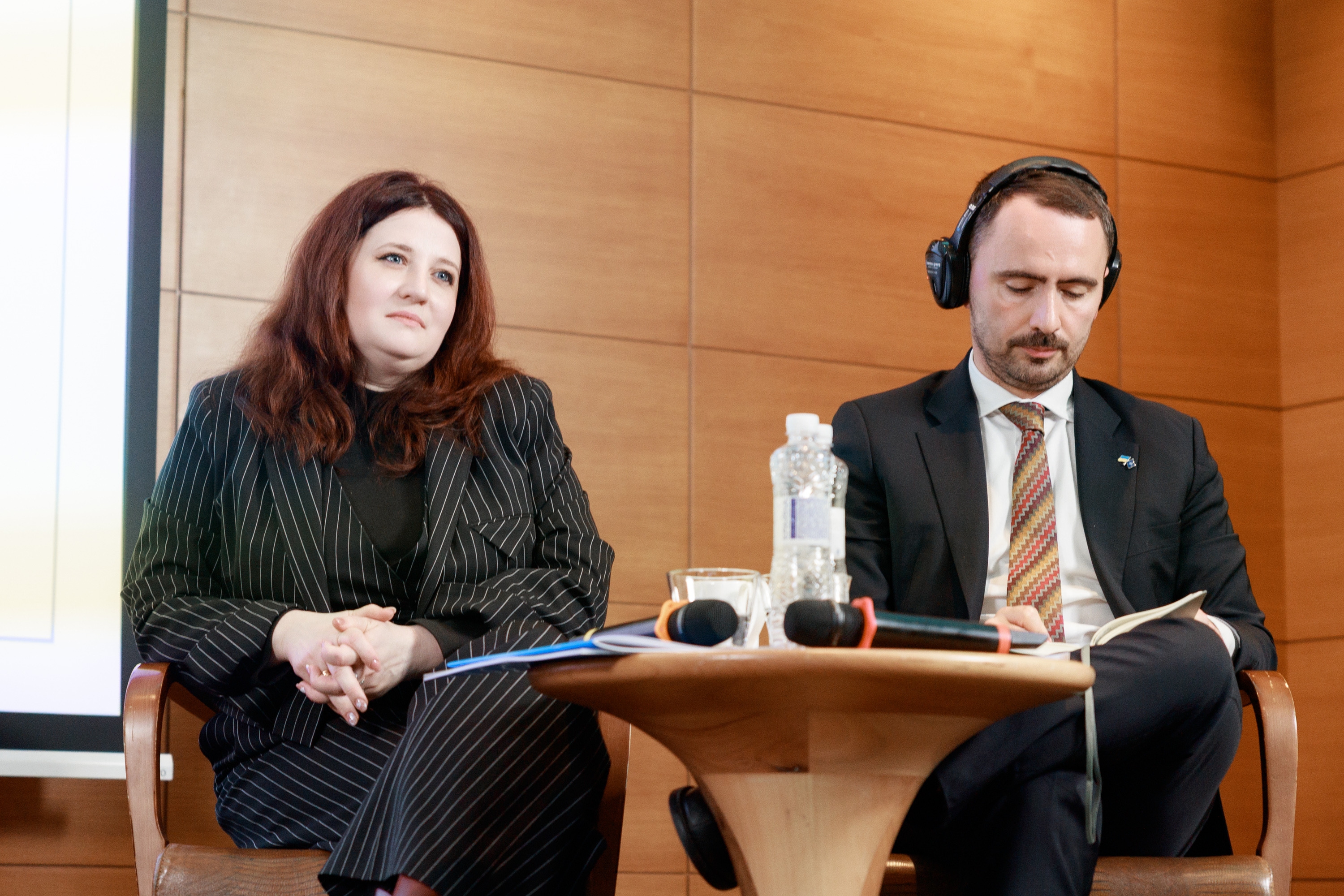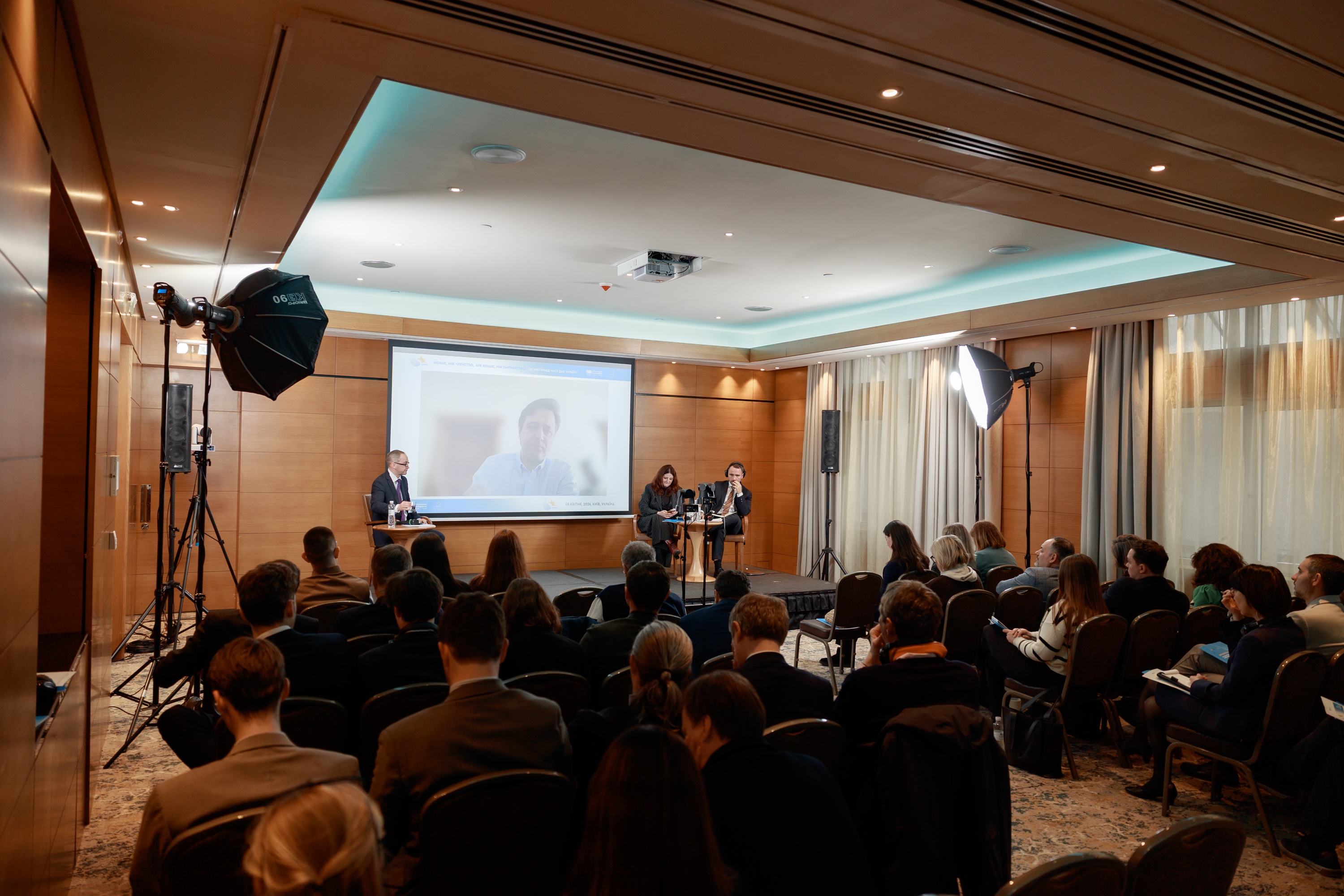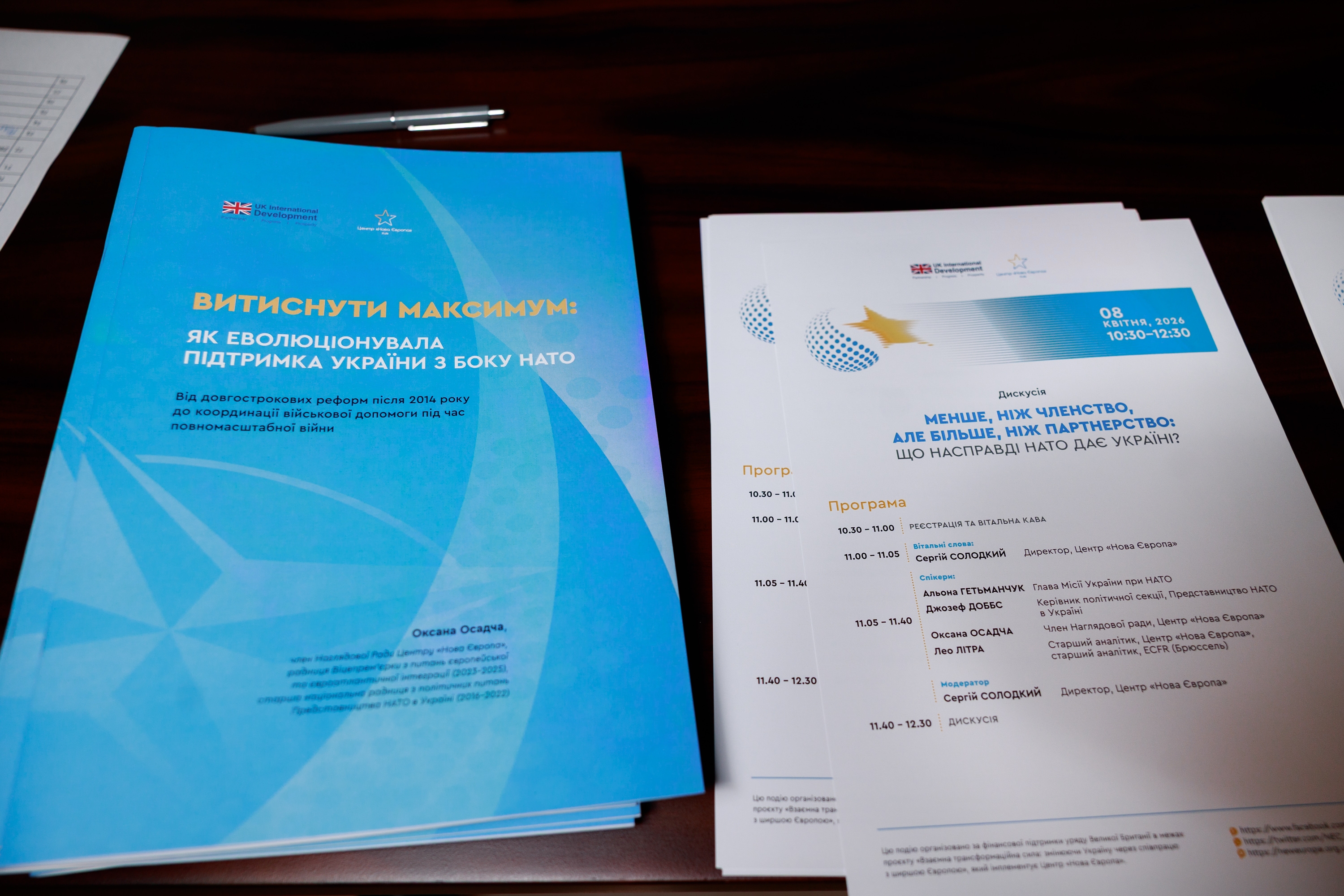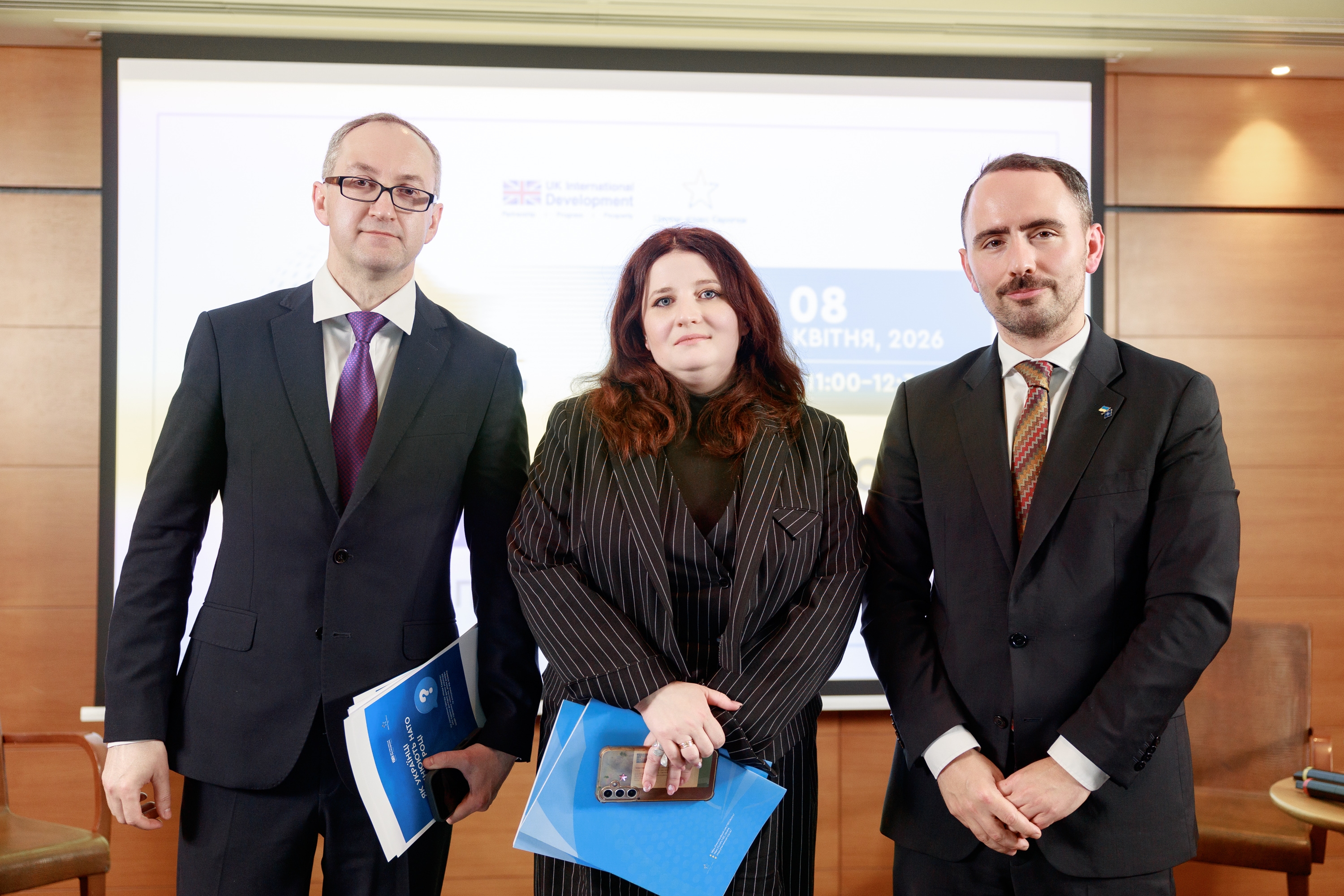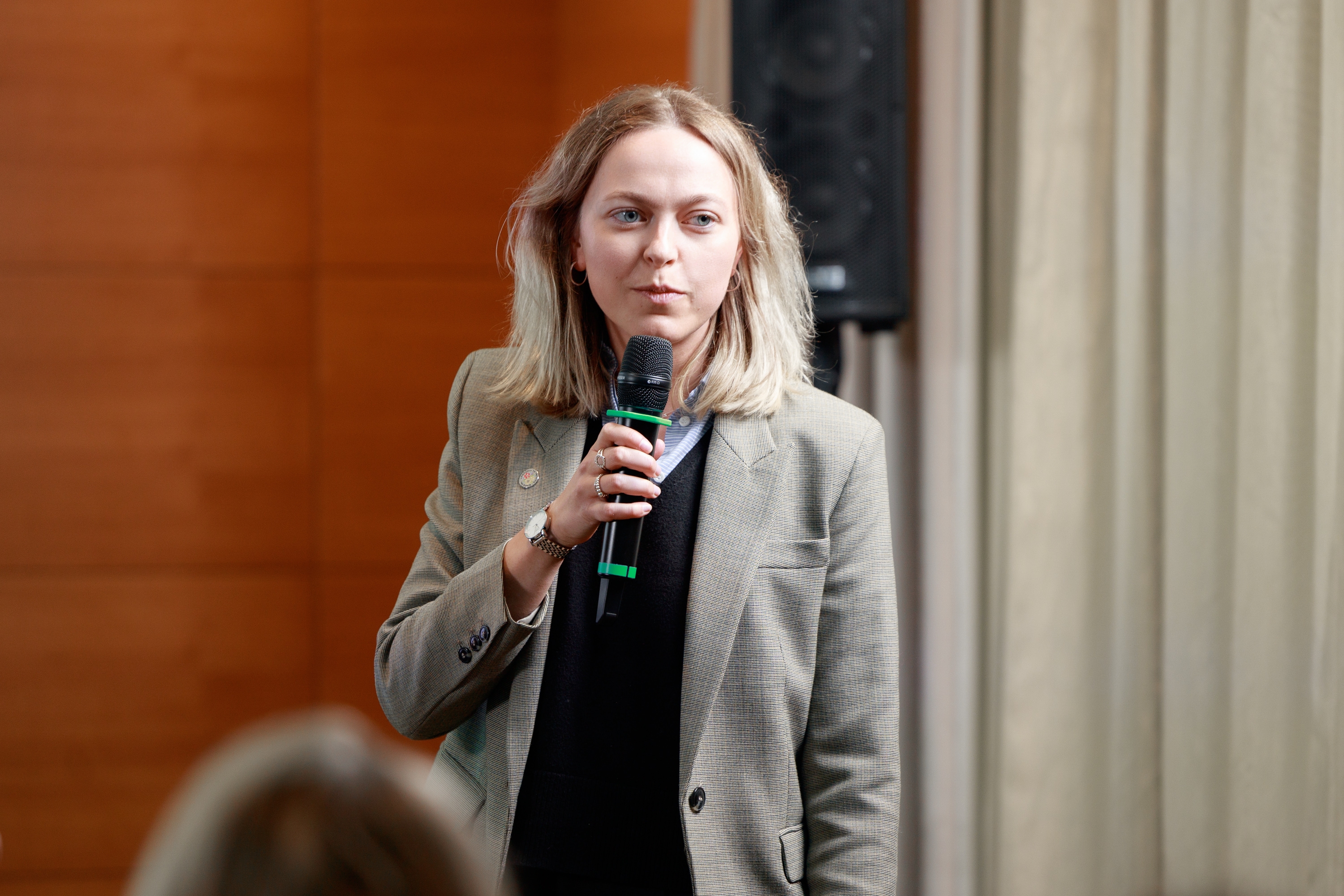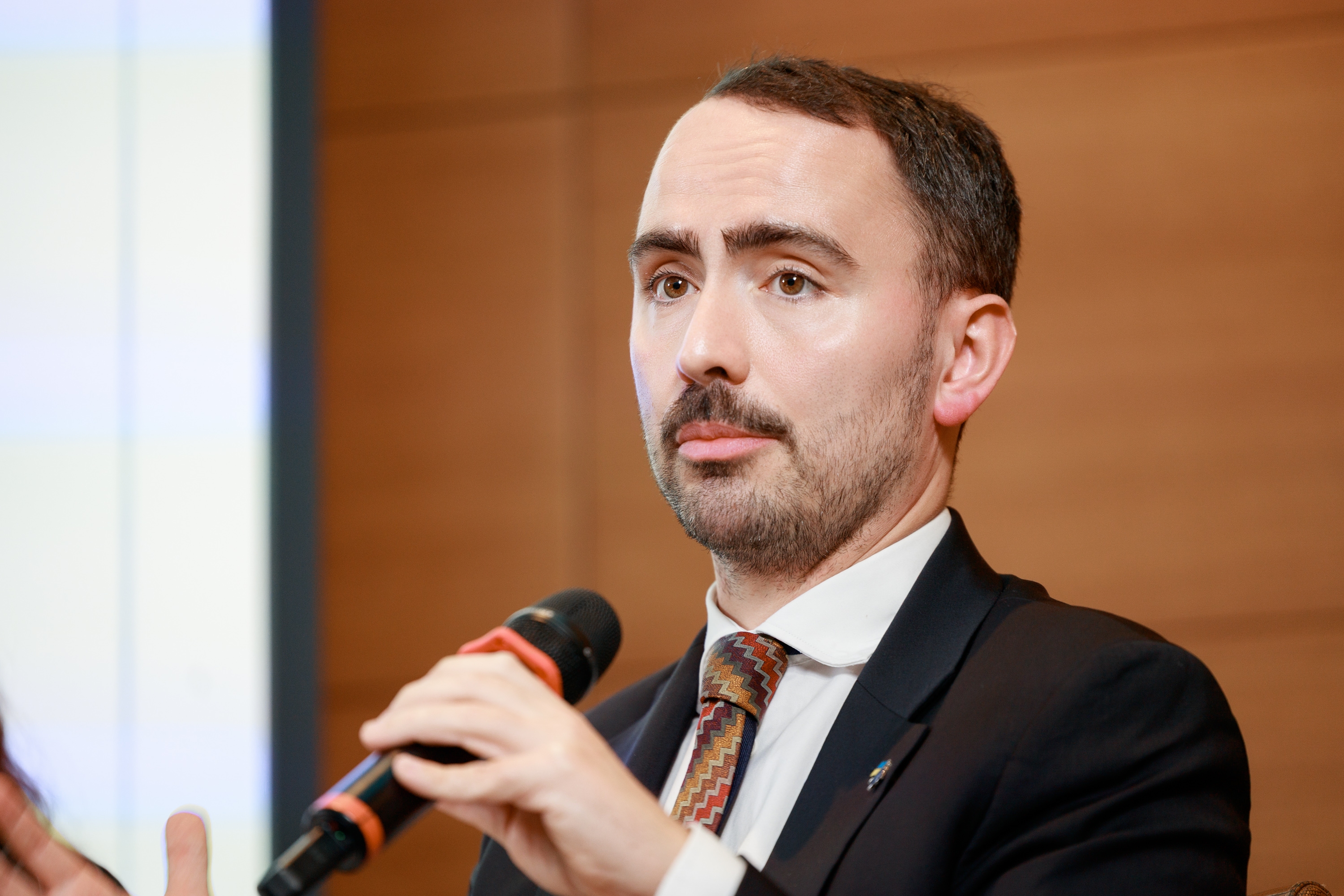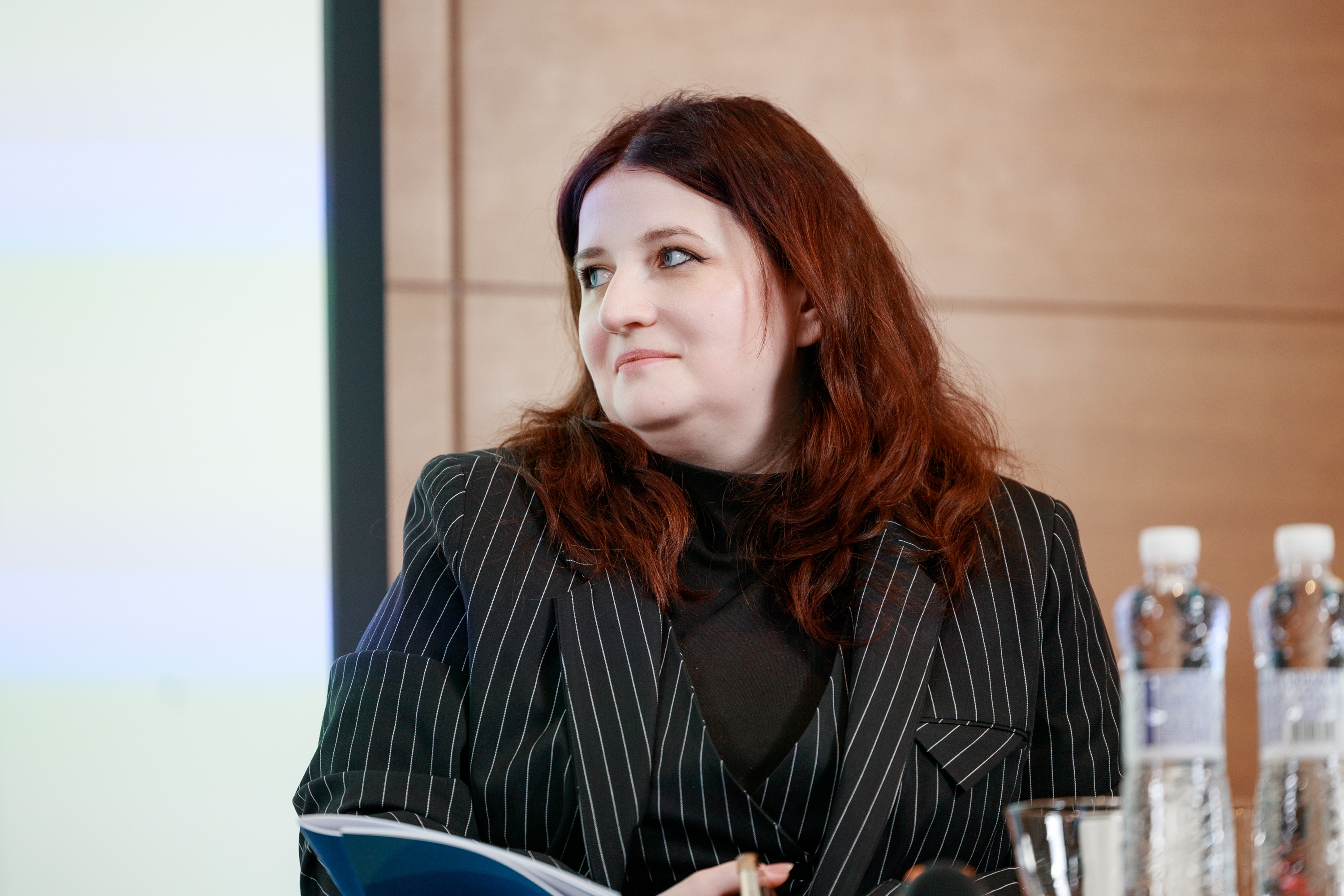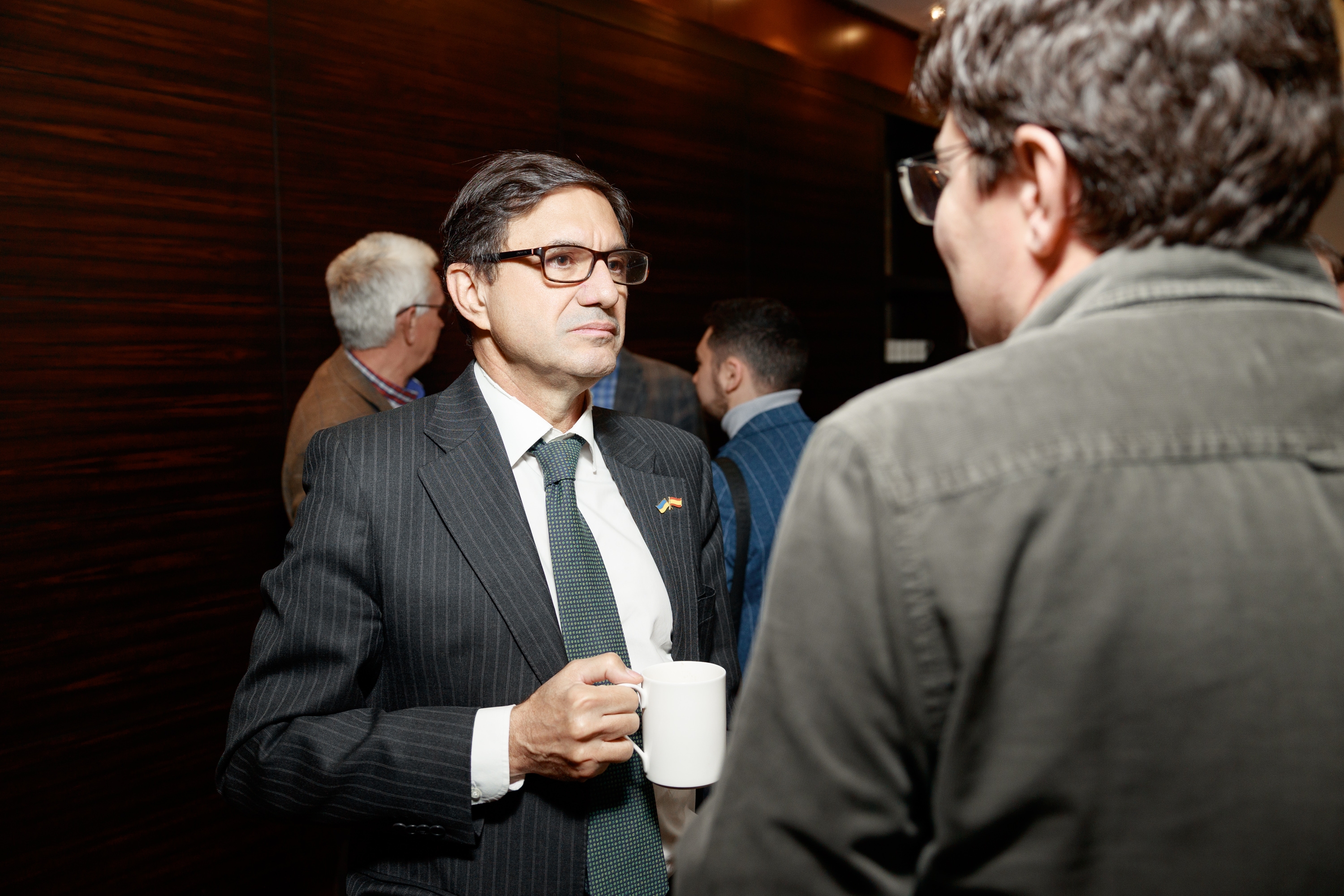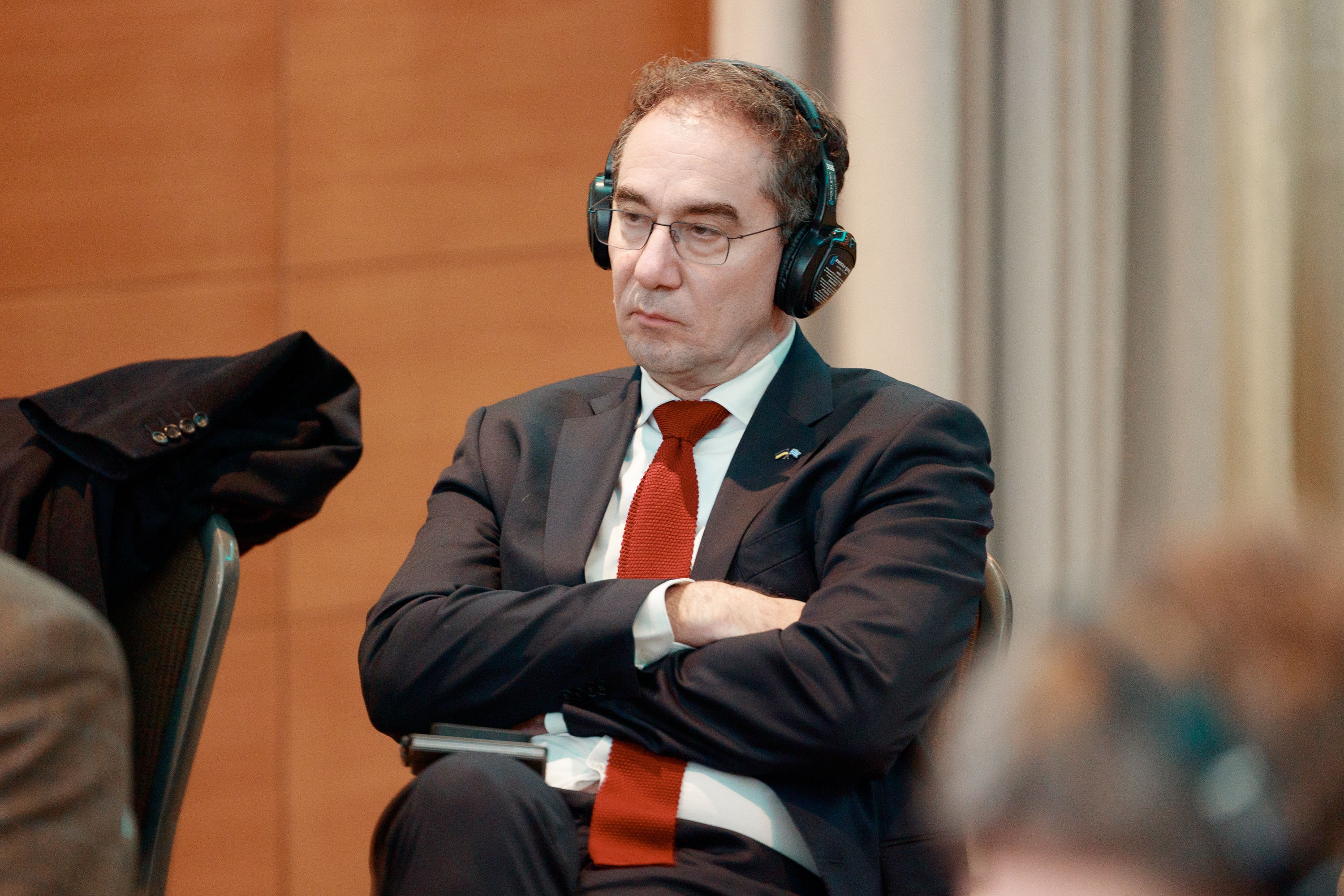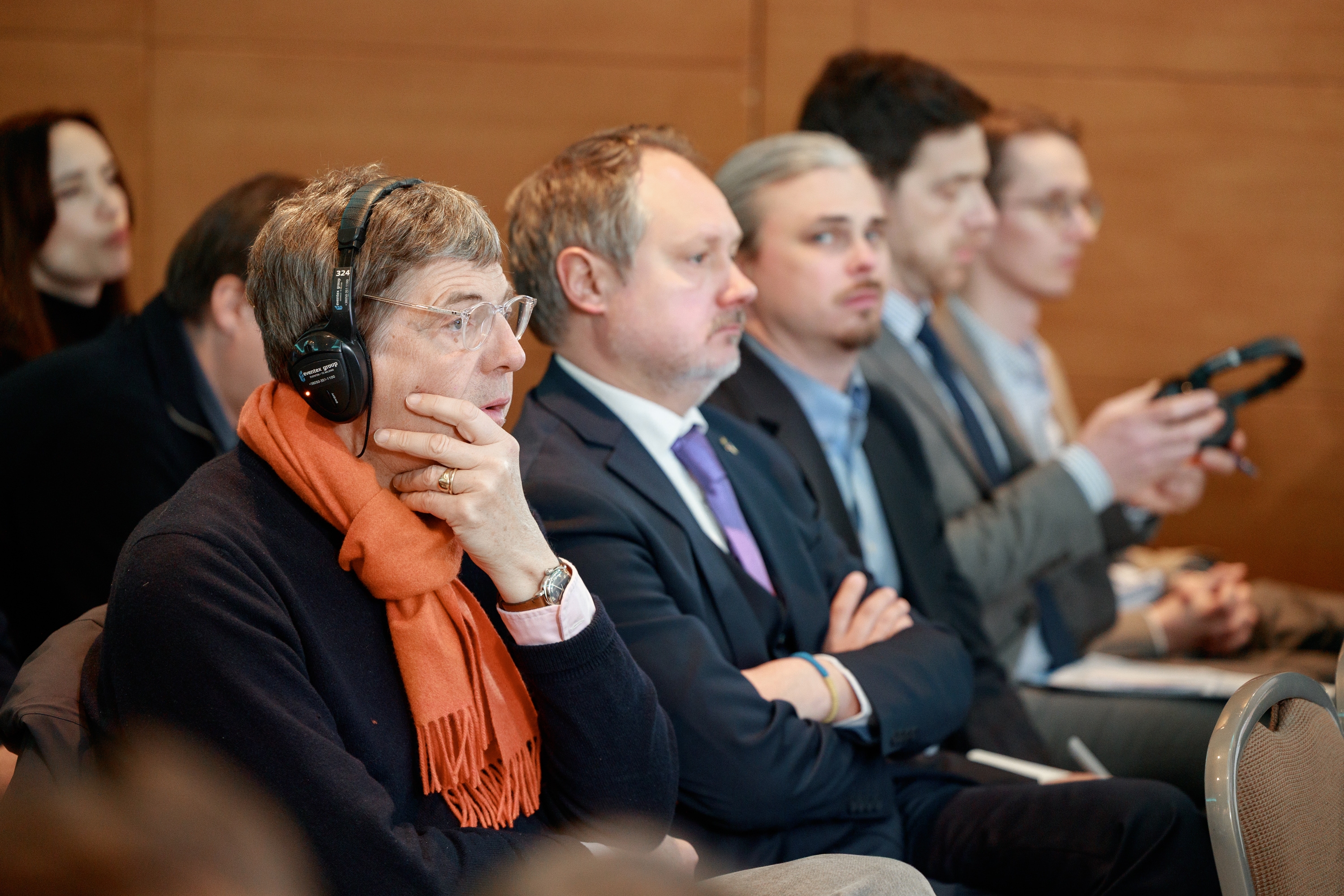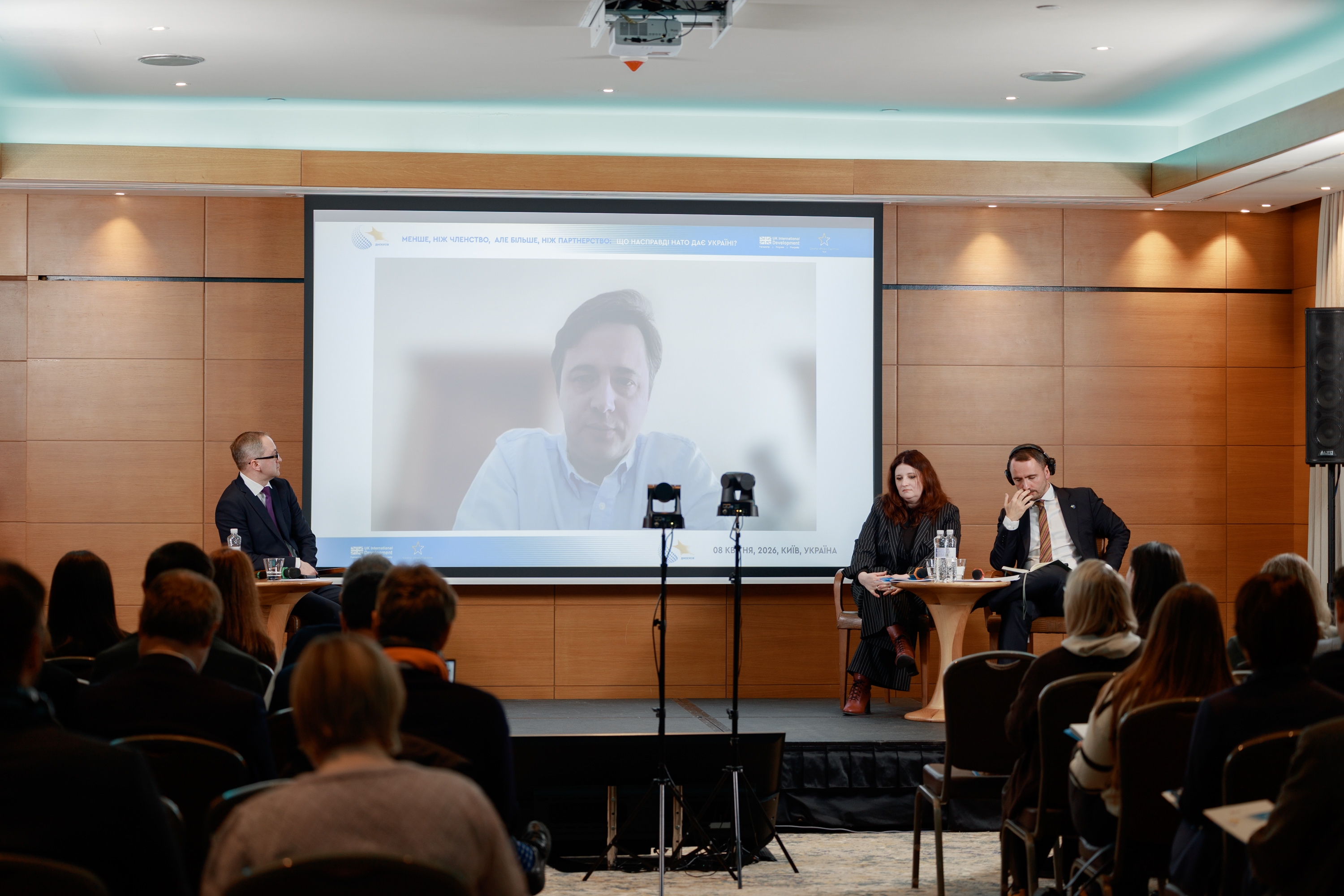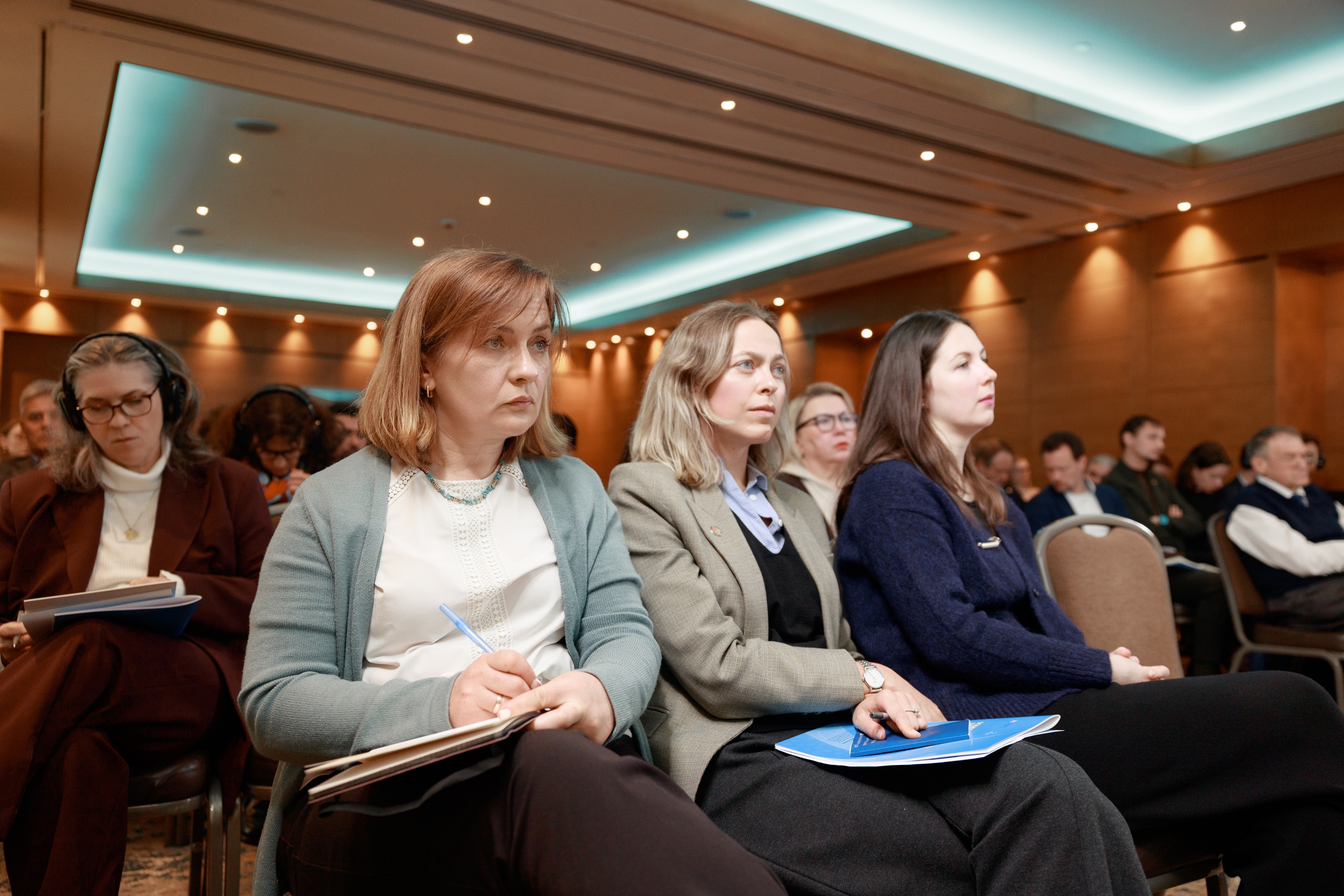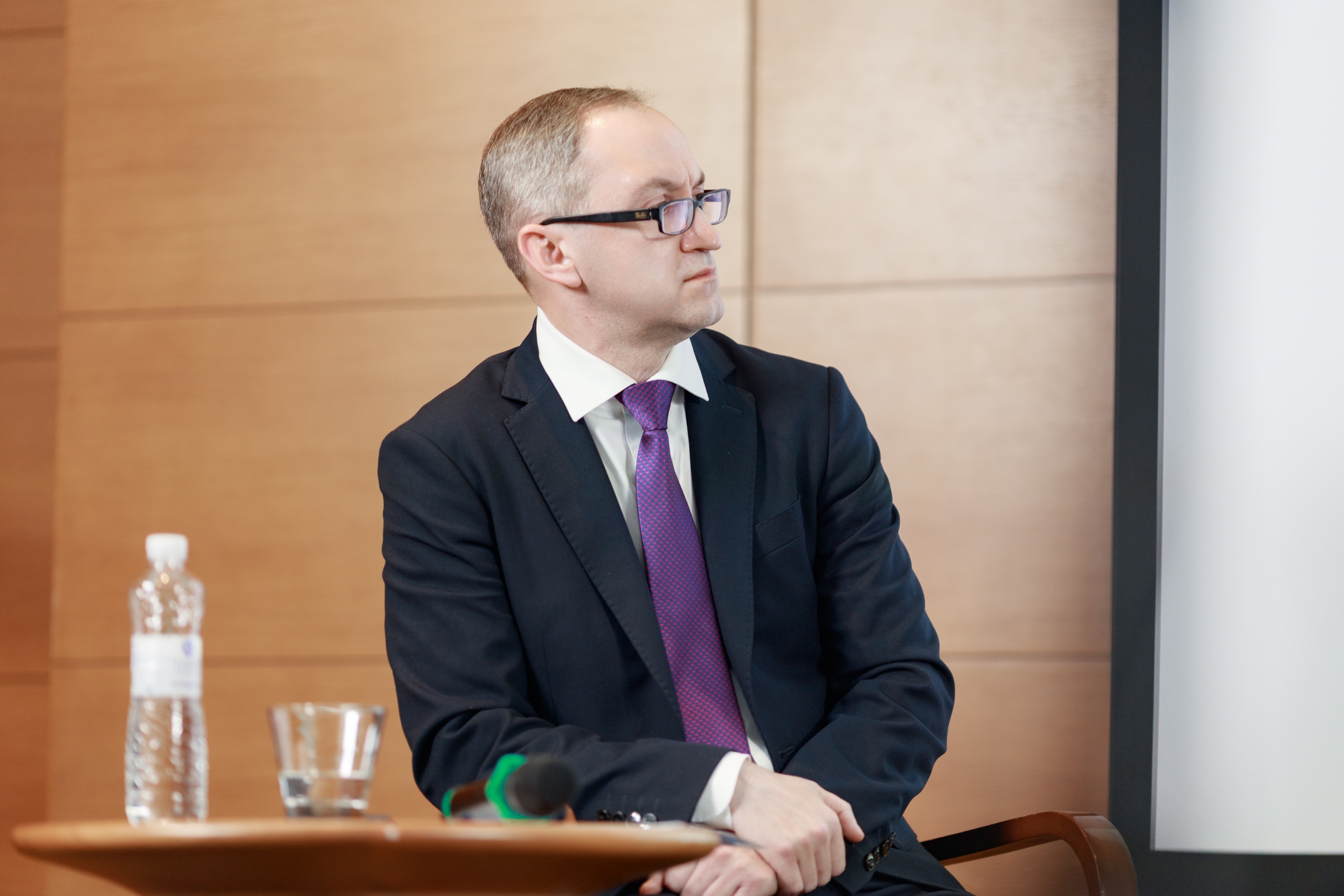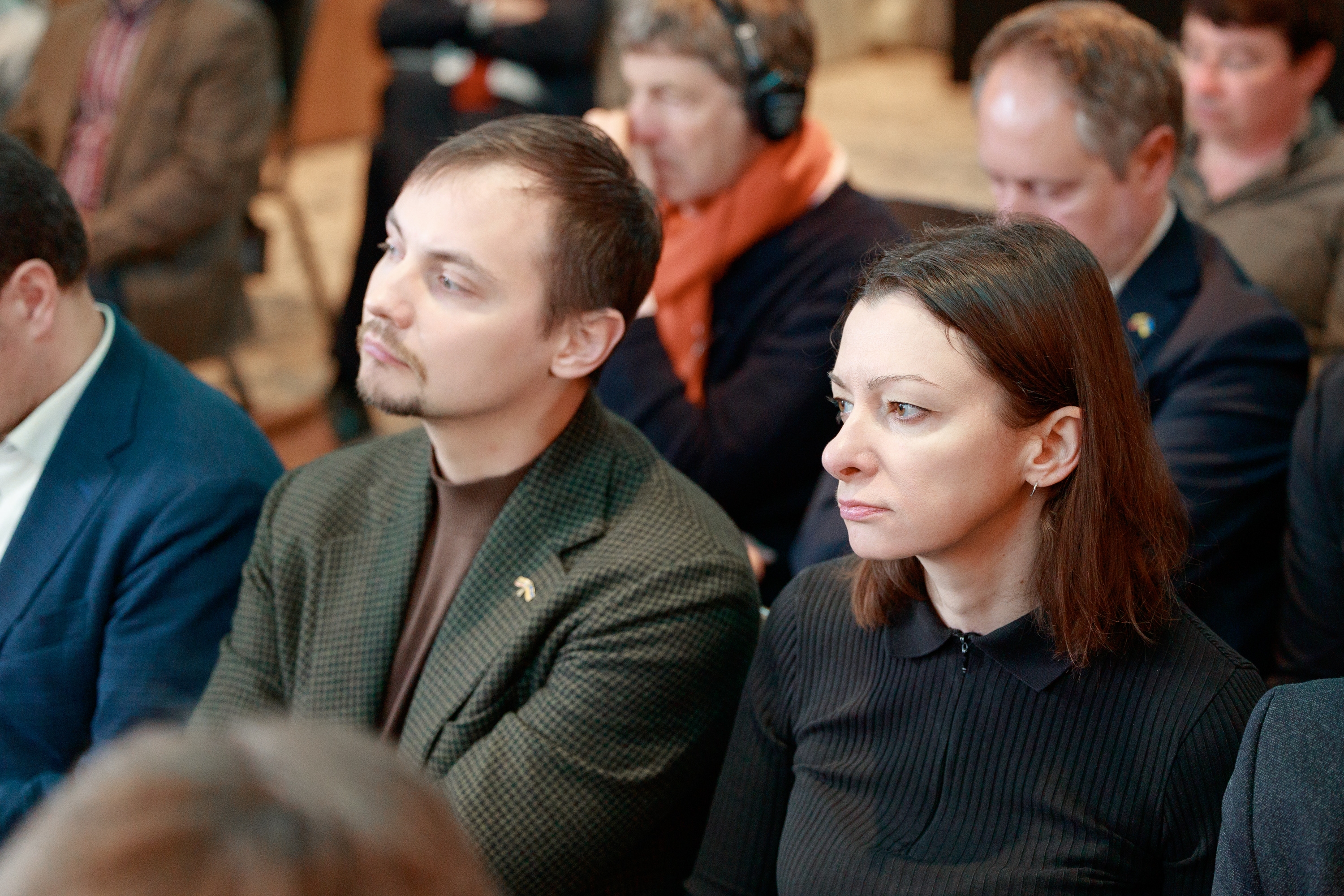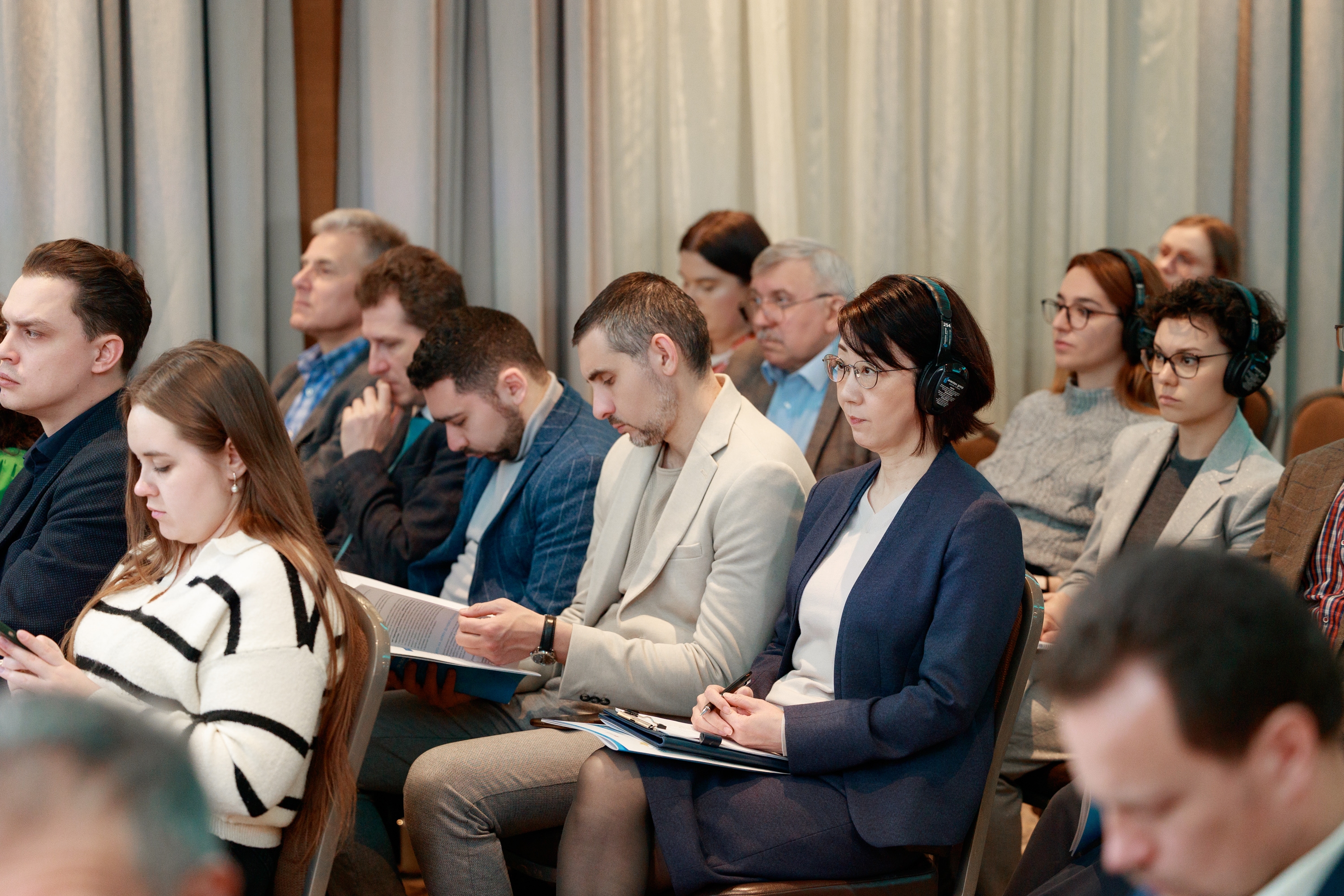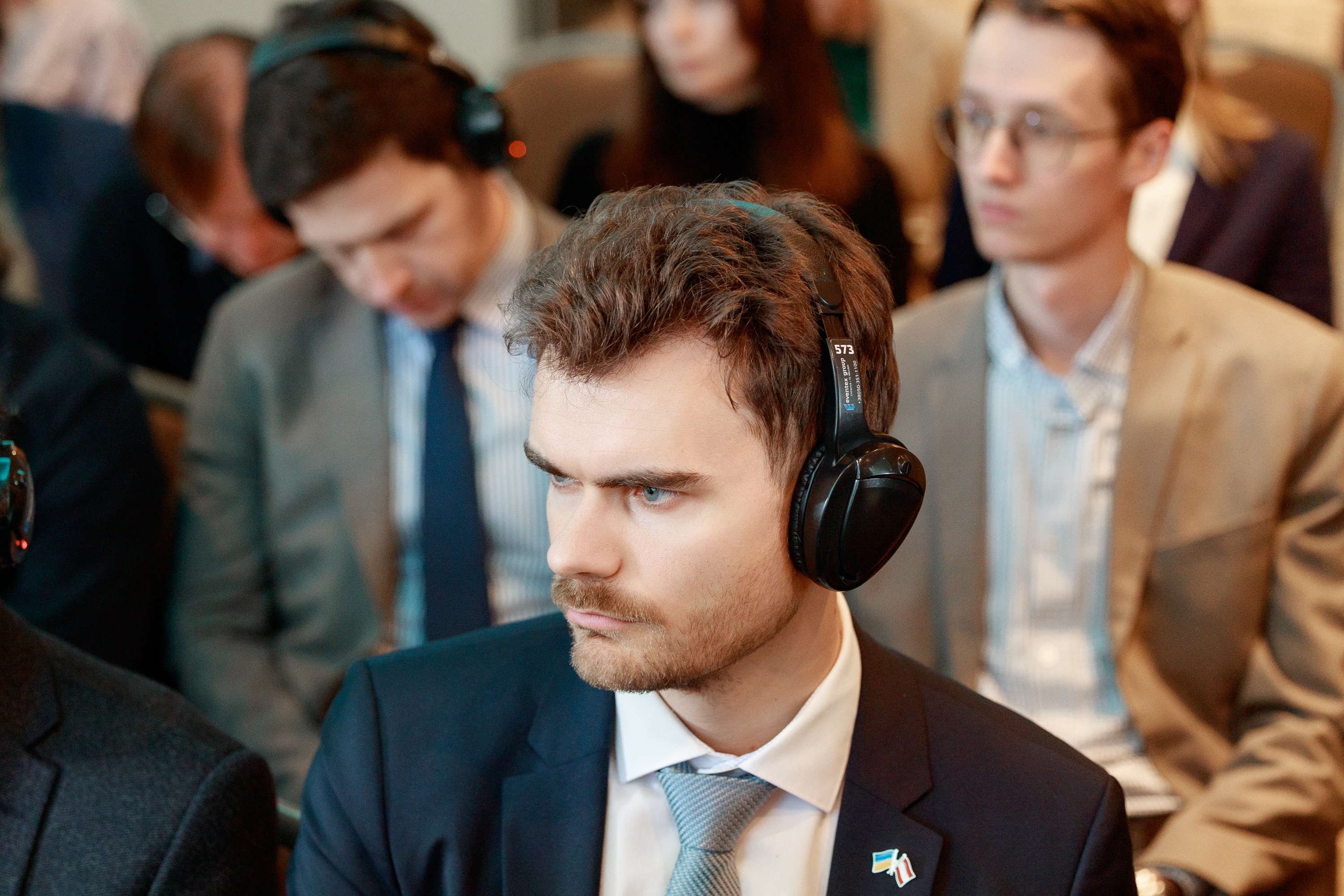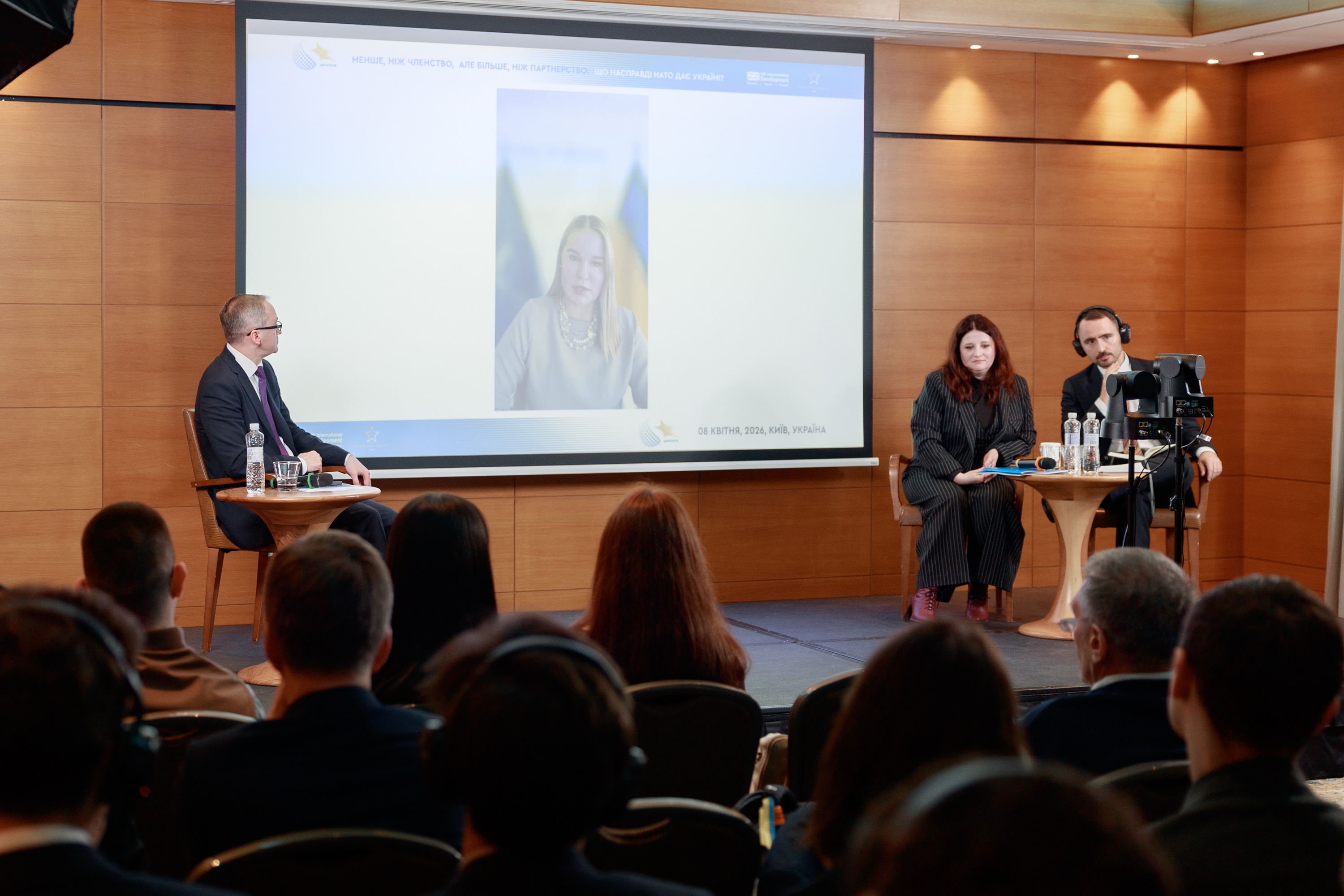
On April 8, 2026, the New Europe Center organized a discussion titled “Less than Membership, but More than Partnership: What Does NATO Really Give Ukraine?”. The event brought together Ukrainian and international experts, diplomats, and representatives of the Alliance to discuss the evolution of cooperation between Ukraine and NATO, as well as how it meets the expectations of Ukrainian society.
During the opening of the discussion, the Director of the New Europe Center, Sergiy Solodkyy, presented the results of a public opinion poll commissioned by the New Europe Center and conducted by Info Sapiens:
“Most Ukrainians support joining NATO, but do not fully trust the Alliance itself. 68.9% of Ukrainians are in favor of NATO membership, yet the level of trust in the organization is 15% lower. We observed a decline in trust toward the Alliance at the end of last year. Our latest survey helps identify the reasons behind both trust and distrust. The New Europe Center’s discussion aims to answer the question of what NATO actually does for Ukraine. Of course, it is also important to talk about Ukraine’s contribution to global security. We will also present a study that not only assesses the partnership with the Alliance, but also highlights mechanisms for strengthening cooperation.”
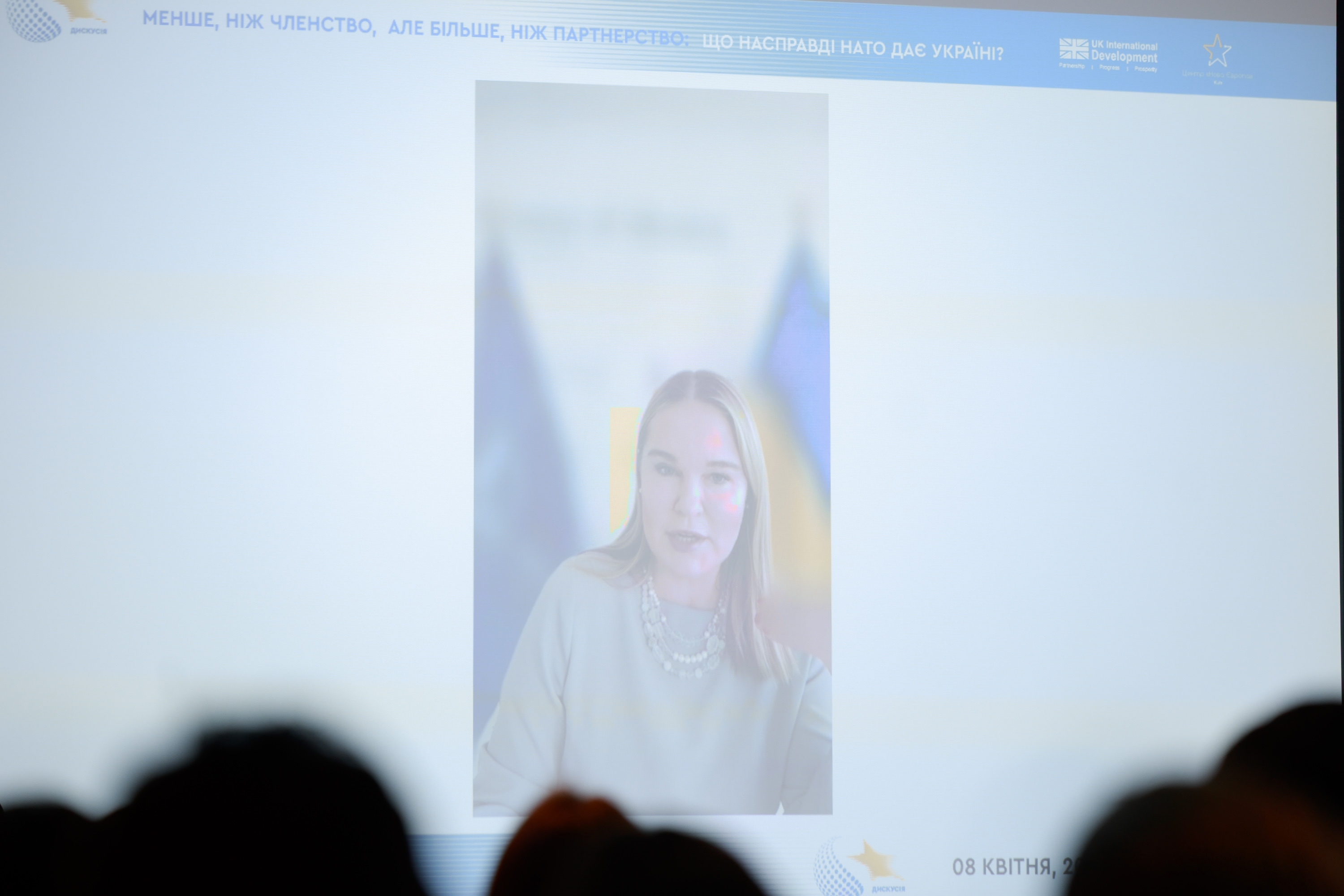
Kirsten McLean, First Secretary Political at the UK Embassy, addressed the participants of the event: “We are very pleased to have been able to cooperate with the New Europe Center over the past year on a number of different projects – from NATO to the EU and beyond. I believe this is an important moment to assess where Ukraine–NATO relations currently stand.”
Head of the Mission of Ukraine to NATO, Alyona Getmanchuk, outlining a new level of interaction between Ukraine and the Alliance, noted that the two sides have now reached the most intensive and trust-based dialogue in the history of their cooperation. According to her, Ukraine is increasingly perceived as an “invisible future member” of the Alliance, despite existing political constraints, while the number of countries opposing its future membership is decreasing.
Alyona Geymanchuk also stressed the dynamic nature of Ukraine–NATO relations: “I have to admit that almost every month something happens in Ukraine–NATO relations that can be described as ‘a first’ — from Ukraine’s participation in Article 5 exercises to the expansion of practical cooperation to a level that seemed unattainable just a year ago.” An important indicator of this transformation is the Alliance’s role in coordinating military assistance to Ukraine. According to Getmanchuk, more than 80% of such assistance is currently delivered through NATO mechanisms, including NSATU structures and logistics hubs. In her view, this demonstrates the Alliance’s “new weight” in supporting Ukraine, which significantly exceeds public perception due to limitations in communicating certain aspects of this activity.
The Head of the Mission of Ukraine to NATO emphasized that cooperation with the Alliance goes far beyond security guarantees. “The idea of ‘NATO for Ukraine’ is not only about security guarantees — it is much broader. First and foremost, it is about guarantees of sovereignty. We cannot be a truly sovereign country without the right to choose the alliances we wish to join in the future. But ‘NATO for Ukraine’ is also about choosing our future alliances,” she stressed. At the same time, she noted that a deeper rethinking of security guarantees is currently underway: “There is a growing reassessment of what security guarantees for Ukraine should look like. When we talk about reliable guarantees, we refer to NATO’s Article 5. It remains a role model that we are trying to replicate today in the framework of security guarantees between Ukraine and the United States,” Getmanchuk said, adding that Article 5 remains effective, as neither the Soviet Union nor Russia has ever tested it, and no country has left the Alliance.
In turn, Joseph Dobbs, Head of Political Affairs, NATO Representation to Ukraine, highlighted the reciprocal nature of the relationship. “Ukraine is not just receiving support from us — it is giving it back,” he noted. “At the NATO Summit in The Hague in 2025, all 32 heads of state and government issued a short declaration. In it, allies affirmed that Ukraine’s security contributes to NATO’s. And it’s why Mark Rutte said loudly, last time he was in Kyiv, that Ukraine is and will remain essential to our own security. He said clearly: we are learning from you. You are innovating in ways that are unique and impressive,” Dobbs explained.
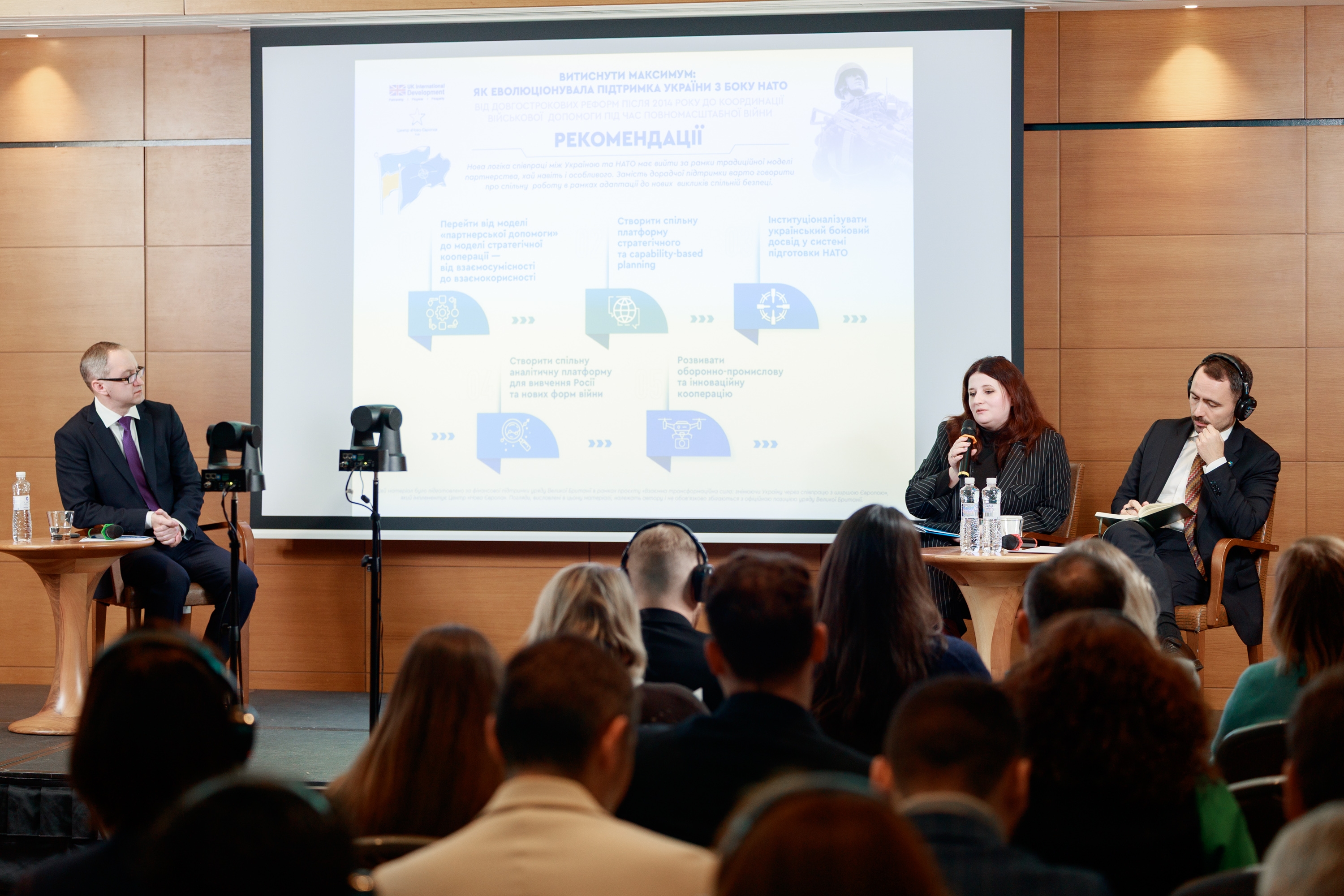
The analytical dimension of the discussion was further developed by Oksana Osadcha, Member of the Supervisory Board of the New Europe Center. Presenting the analytical paper “Squeezing the Maximum: How NATO’s Support to Ukraine Has Evolved,” she called for thinking in terms of joint security planning. “NATO and Ukraine are preparing for the same type of threats. Therefore, planning visions and challenges together is, in my view, far more rational than spending resources separately,” she noted.
Osadcha also emphasized that the foundation of Ukraine–NATO cooperation lies in the development of defence-industrial and innovation cooperation. “Defence cooperation can move very quickly and create horizontal links that are difficult to break or alter through political decisions alone, as they are primarily about resources — financial and human. Such cooperative ties, even within the EU, lay the groundwork for deep practical integration that can eventually evolve into political integration. And although the political environment around NATO may currently be challenging, this does not mean there are no opportunities to strengthen cooperation, support, and implement mutually beneficial joint projects and programs,” she explained.
Leo Litra, Senior Research Fellow, New Europe Center, Senior Policy Fellow, ECFR (Brussels), drew attention to the idea of a “European NATO.” “Recently, the idea of a ‘European NATO’ has been gaining traction in many discussions. Ukraine should consider how to plug into this discussion and become part of it. I don’t see any desire to change NATO as such – pretty much all the member states are very keen to keep what they have and to reform and make today’s NATO better. At the same time, there is a noticeable drift toward subregional alliances, and Ukraine could become a strong ally in such formats — initially outside NATO, and later within it. Given its capacities, the command and control – what is missing on the European level – Ukraine can be a very good contributor,” Litra explained.
The event also featured the presentation of new public opinion poll results on Ukrainians’ attitudes toward NATO (Info Sapiens, March 2026). The study aims to highlight the gap between public expectations and the actual formats of cooperation with the Alliance.
Video recordings are available in Ukrainian and English.
Photo report available here.
Photo credit by Alyona Rubel
This event is funded by the UK government as part of the “Mutual Transformative Power: changing Ukraine through cooperation with wider Europe” project, implemented by the New Europe Center. The views expressed during the event are those of the participants and may not coincide with the official position of the UK government.