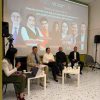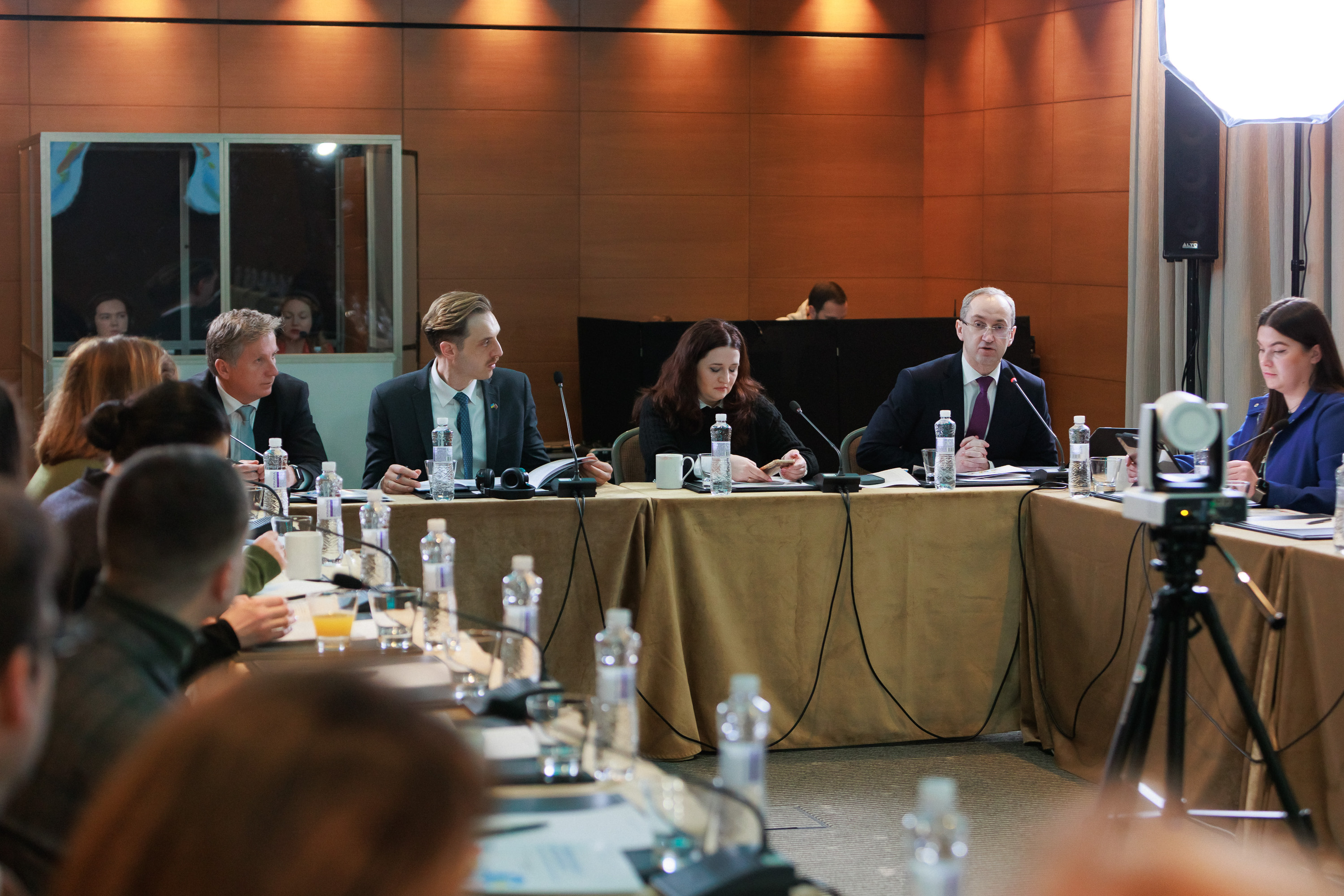
On 15 December, the New Europe Center presented the results of opinion poll “Foreign Policy and Security. Opinions of Ukrainian Society – 2025”. The event brought together representatives of the Ukrainian government, the Verkhovna Rada, diplomats, and experts.
Several key findings of the opinion poll:
85.5% of Ukrainians support Ukraine’s membership in the EU, while 71.3% support accession to NATO. Support for the European and Euro-Atlantic course has remained at a record high for the fourth consecutive year.
The leader in public trust among foreign leaders is UK Prime Minister Keir Starmer (76.1%).
The largest increase compared to last year was demonstrated by German Federal Chancellor Friedrich Merz: over the year, trust grew by 35.8 percentage points and now stands at 72.7%. A high pace of growth in trust was also recorded for the head of the UK government (+24.1 percentage points) and French President Emmanuel Macron (+15 points, totaling 73.4%).
Negotiations without guarantees are unacceptable: 64.9% of Ukrainians believe that Ukraine should not enter negotiations with Russia without security guarantees.
86.7% are convinced that freezing the front line would only postpone a new Russian aggression.
No concessions to the aggressor in possible negotiations: 83.3% do not consider reducing Ukraine’s army, 84.5% do not allow for the legal recognition of the occupied territories as Russian, and 78.4% oppose granting the Russian language state status.
Support is growing for the deployment of a partner military contingent in Ukraine in the format of a “Coalition of the Willing,” which is supported by 72.7% of respondents.
Detailed opinion poll results are available on the New Europe Center’s website.
The survey covered a wide range of foreign policy and security issues, including security guarantees for Ukraine, EU accession, preconditions for launching potential negotiations on ending the war, levels of trust in foreign institutions and leaders, and more.
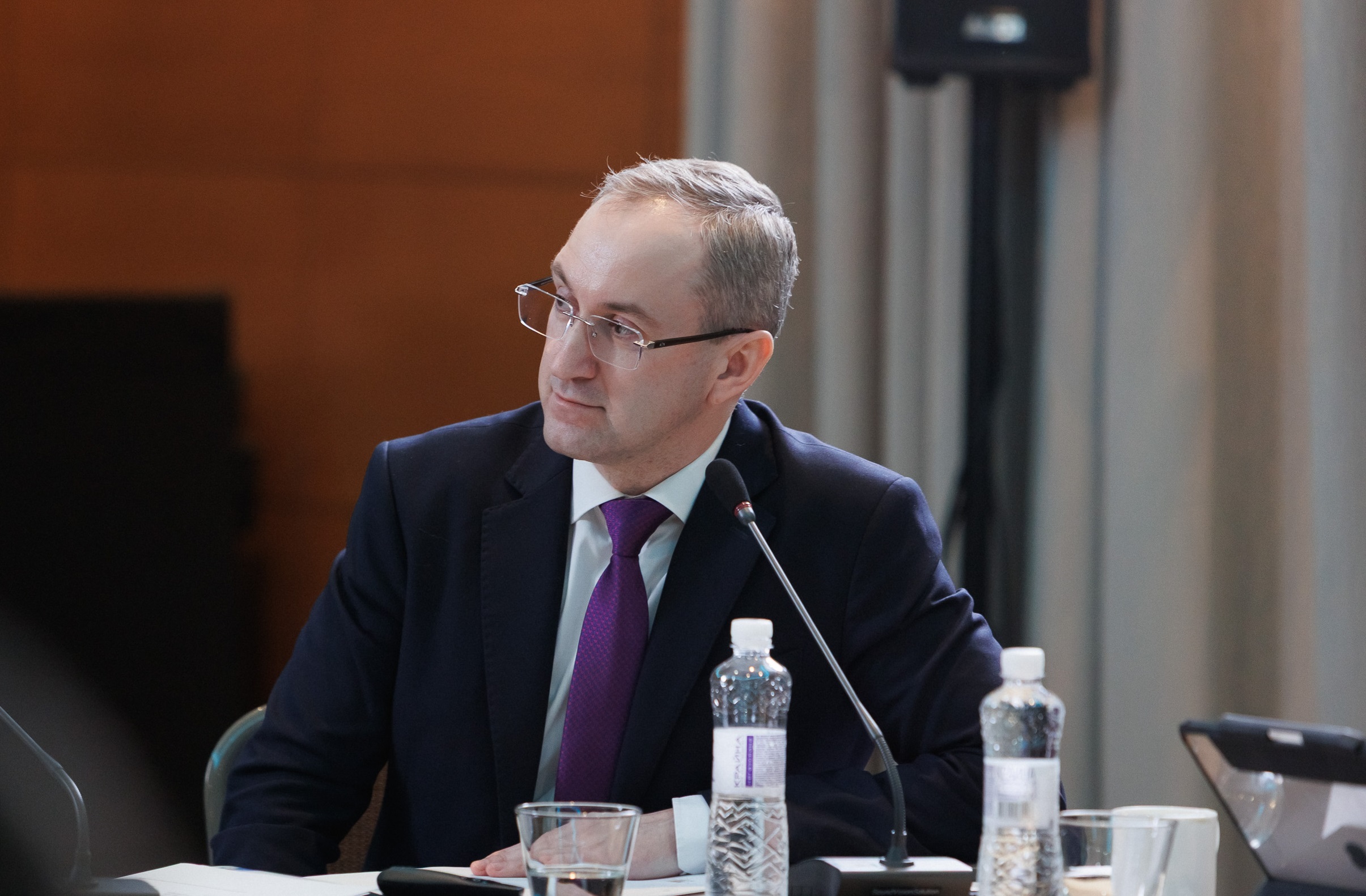
Sergiy Solodkyy, Director of the New Europe Center, delivered opening remarks to the participants. Presenting the results, he emphasized: “The European Union shows high levels of public support in Ukraine across various indicators. For example, the EU ranks first in terms of trust among international organizations – 72%. We can also speak about recognition of the role not only of the EU, but of a broader Europe, including countries on the continent that are not members of the European Union. Thus, almost 60% of Ukrainians believe that Europe (together with the UK and Norway) is doing enough for Ukraine’s victory. And the group of Western leaders with a favorability rating above 70% includes the leaders of the United Kingdom, Latvia, France, Sweden, Lithuania, Germany, Finland, as well as the President of the European Commission, which reflects broad support for the EU and the European political space as a whole”.
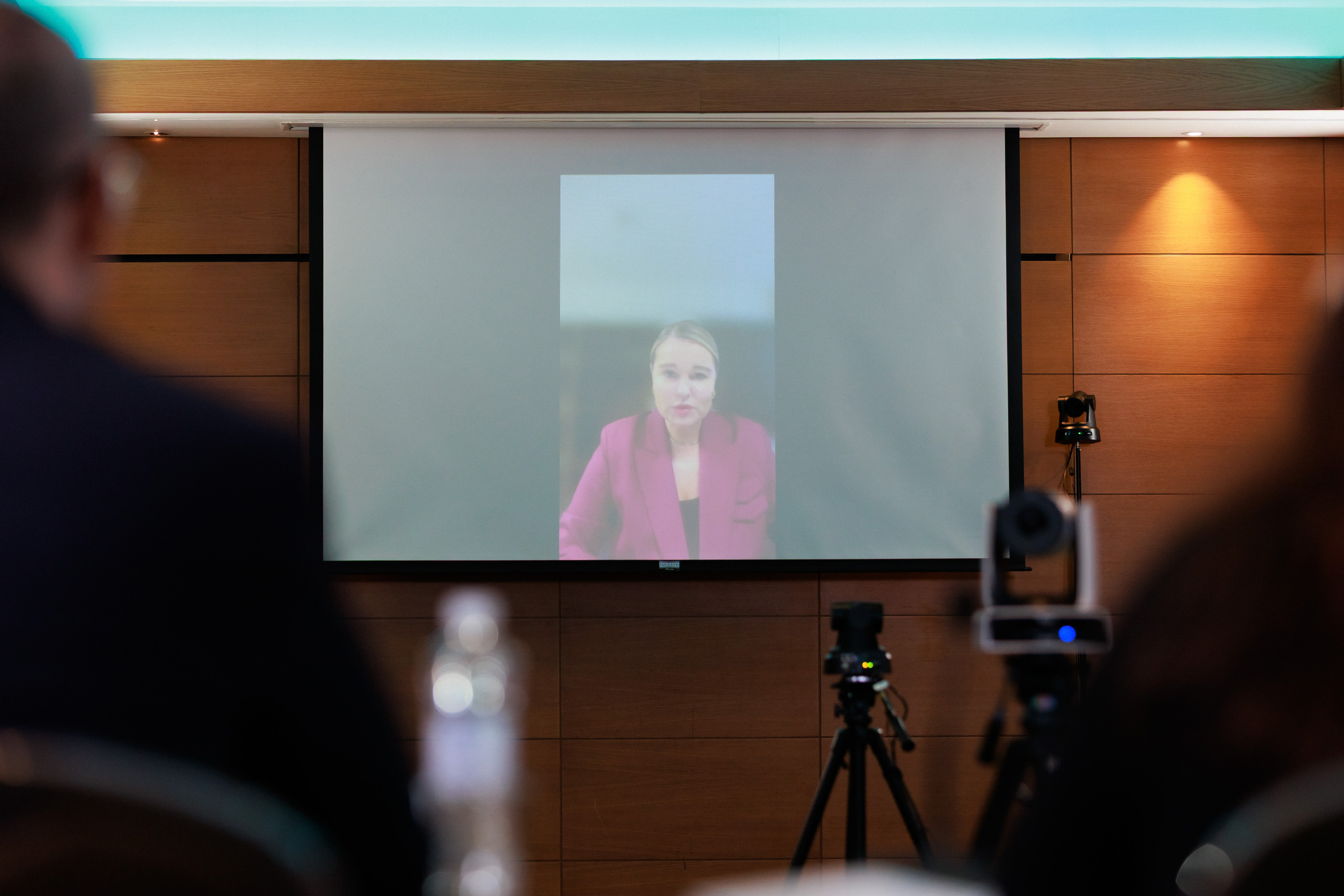
The opinion poll results were thoroughly commented on by Alyona Getmanchuk, Head of the Mission of Ukraine to NATO, Founder and Director of the New Europe Center in 2017–2025.
“If we look at the survey results and summarize the indicators on NATO accession, support for a European contingent, and a defense alliance with the United States, we will see that the overall result will be much higher than support for the development of nuclear weapons. That is, the focus remains on involving NATO member states in a possible architecture of security guarantees”, the Ambassador explained during her online address.
“The prospect of NATO membership is far more, broader, and deeper than just the issue of security guarantees. It is, in fact, about guaranteeing our sovereignty. Because a country that does not have the opportunity and is denied the right to choose, including the alliances it may join in the future, cannot be sovereign. The efforts that are currently being directed within the framework of negotiations, one way or another, come down to this – and this is the major common denominator that we have managed to develop with the United States – that Ukraine’s sovereignty must be preserved. And the prospect of NATO membership is an integral part of this sovereignty”, Alyona Getmanchuk emphasized.
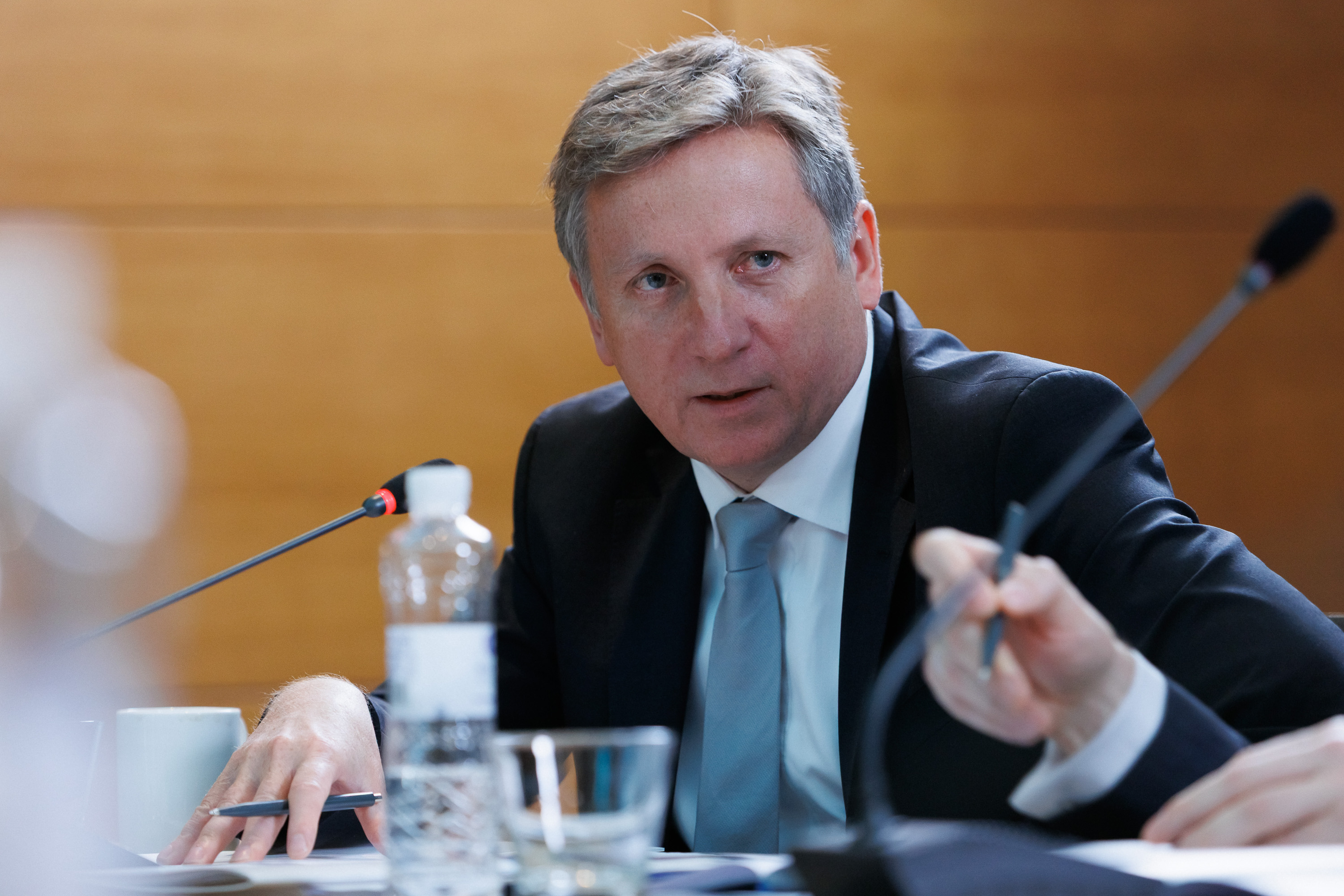
Jarosław Timofiejuk, Head of the Political Section, EU Delegation to Ukraine, commenting on the opinion poll results, noted: “The EU ranks first among organizations in terms of public trust, including trust in EU leaders and the leaders of its member states. Former EU member states also rank very highly in the top ten for trust. This is a very positive picture today, especially when the concept of European integration is being challenged by some populists and certain external forces. Trust carries responsibility: it implies that there are expectations for the EU, and the EU must deliver. Ukrainian society demonstrates resilience and a strong commitment to Europe. For us, it is important to meet these expectations through unity, determination, and sustained engagement”.
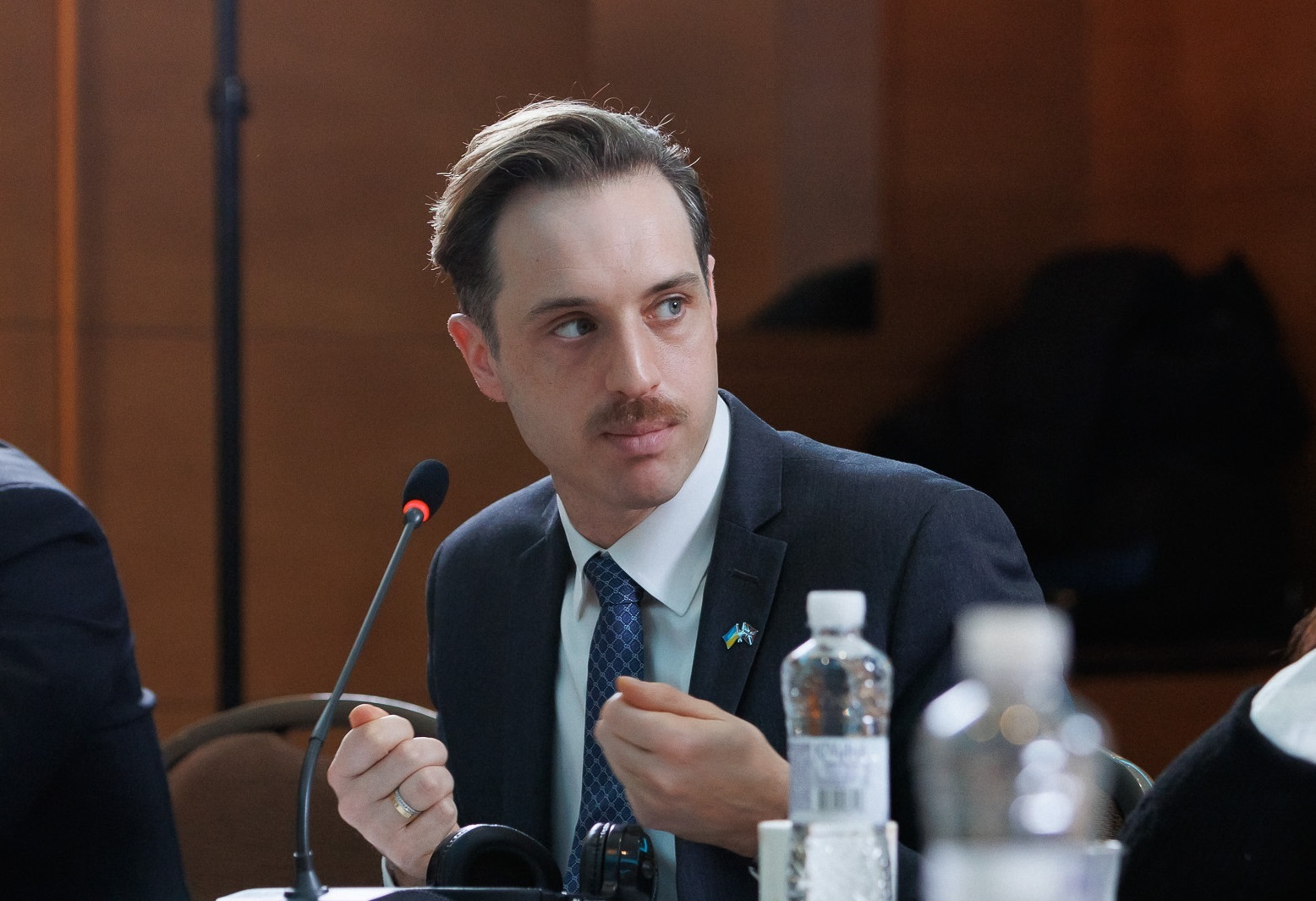
Jonathan Marshall, Political Counsellor, British Embassy in Ukraine, emphasized: “I consider this survey important because its results help partners who work with our Ukrainian colleagues and shape policy to understand public sentiment, not just what the people may think in direct positions of power. This is especially important when we discuss negotiations and the prospect of long-term, sustainable peace. There must be a consensus that society will accept, and it is essential to keep this in mind, particularly when the headlines are changing so quickly”.
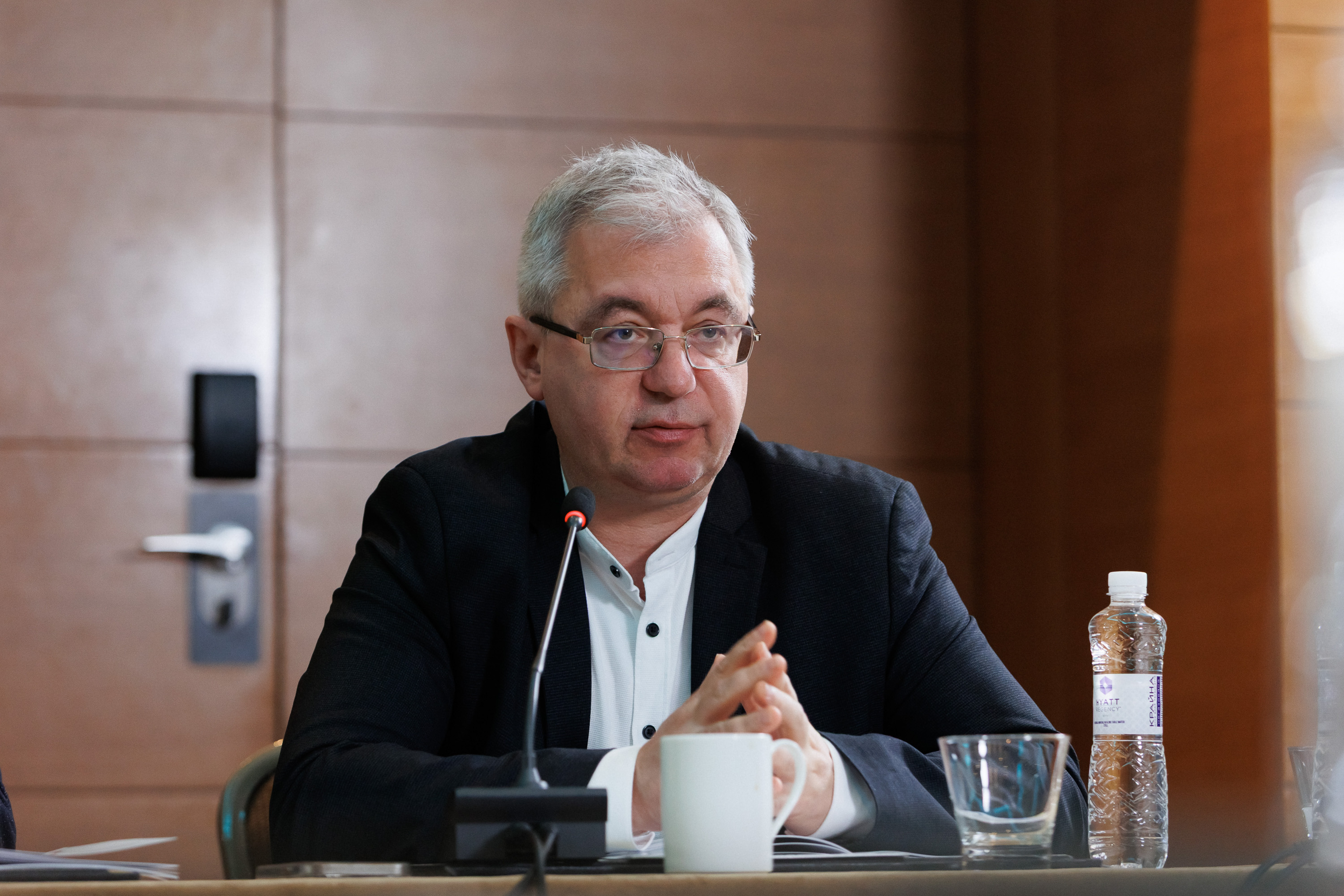
Oleksandr Sushko, Executive Director of the International Renaissance Foundation, stressed in his remarks: “Ukrainian society demonstrates strategic determination. For me, as someone who has been dealing with these issues for many years, it is clear how costly and difficult this determination is. Because we have seen how it can be otherwise, when society was constantly wavering and divided over strategic foreign policy orientation. Now this is not the case. This is good, but we must also be aware that this consensus will become the subject of serious pressure and attempts to undermine it in the near future”.
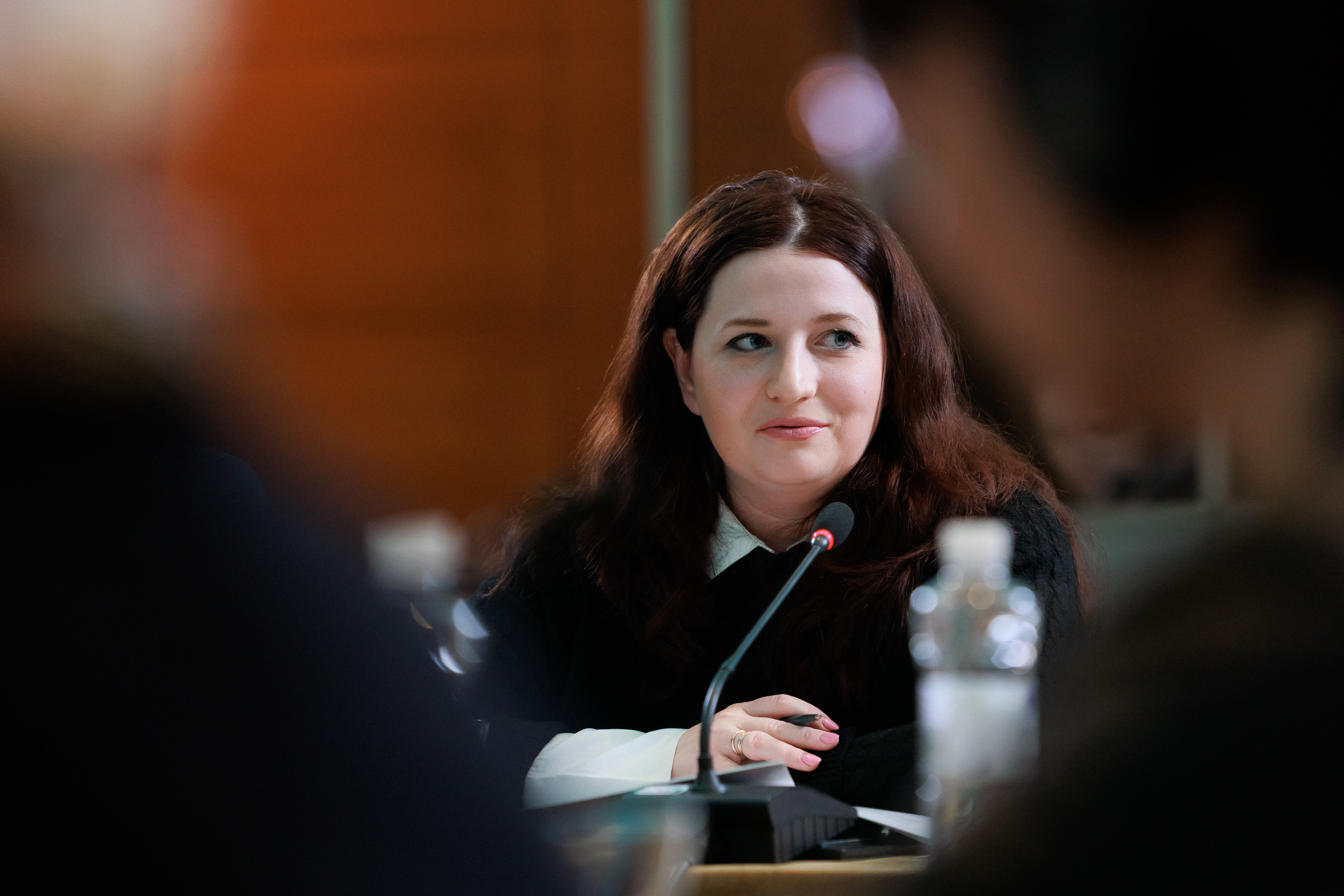
Oksana Osadcha, Member of the Supervisory Board of the New Europe Center, said: “During the war since 2014, the use of certain trigger words has increased in common discourse. At first, such a word was ‘concern’. Now this trigger word is becoming ‘decisive’: we had a decisive winter, a decisive spring, summer, autumn. Now we are in a decisive period. If it happens that this week indeed becomes decisive, one would like to believe that the sentiments reflected in the survey results will truly make it possible to achieve a lasting peace and at least prepare for its possible violation”.
We bring yo your attention the key messages of presentation speakers:
“Ukrainian society views security guarantees as a precondition for peace, not a result of it”. Alyona Getmanchuk, Head of the Mission of Ukraine to NATO and Director of the New Europe Center (2017–2025)
The Ukrainians` High Trust in the EU Means High Expectations. Jarosław Timofiejuk, Head of the Political Section, EU Delegation to Ukraine
Security guarantees must be concrete, credible, and clearly articulated. Jonathan Marshall, Political Counsellor, British Embassy in Ukraine
Ukraine-NATO Relations Cannot Be the Subject of Deals with Russia. Oleksandr Sushko, Executive Director of the International Renaissance Foundation
The Value of NATO Lies Not Only in Article 5 but in Its Unique Security Architecture. Oksana Osadcha, Member of the Supervisory Board of the New Europe Center
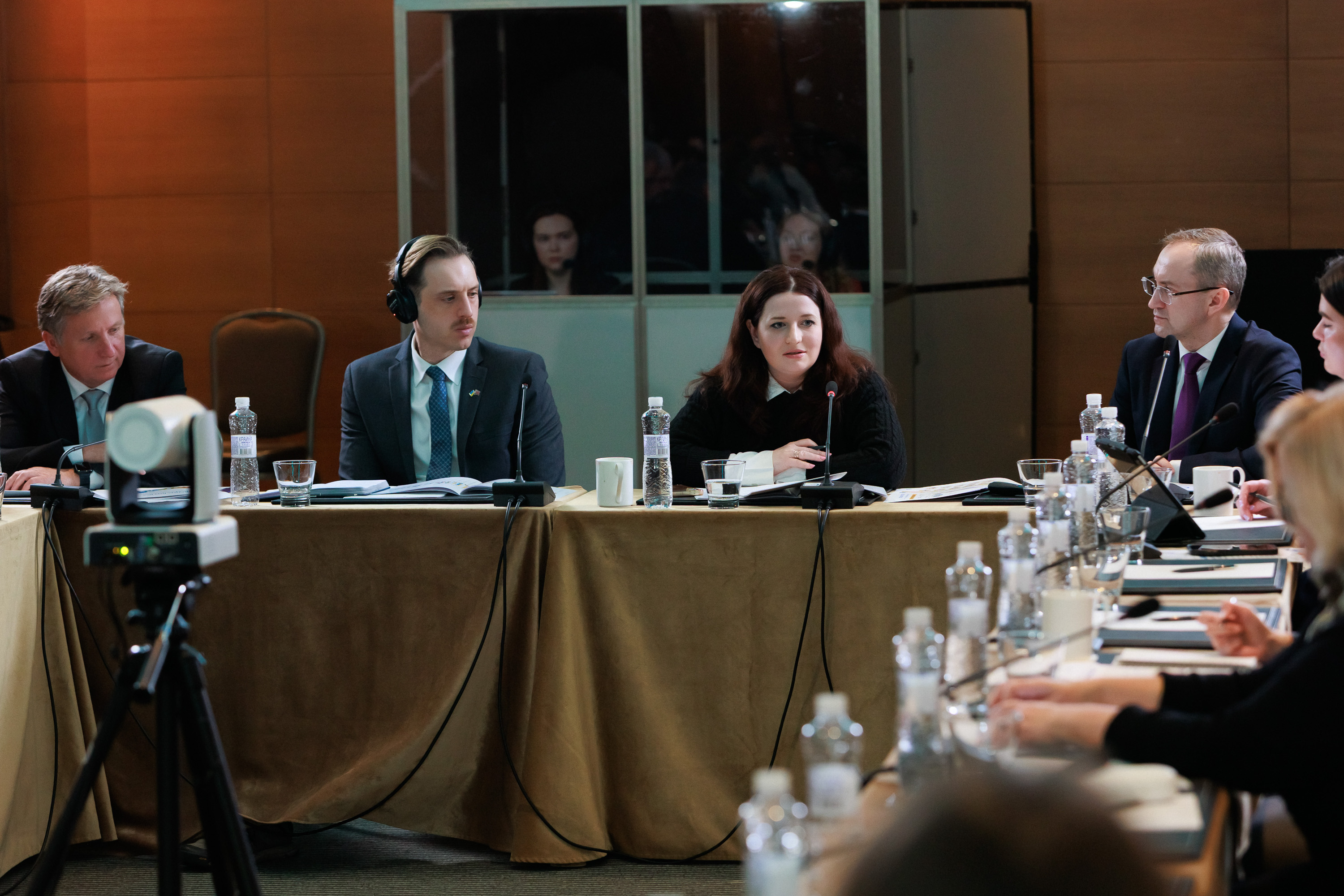
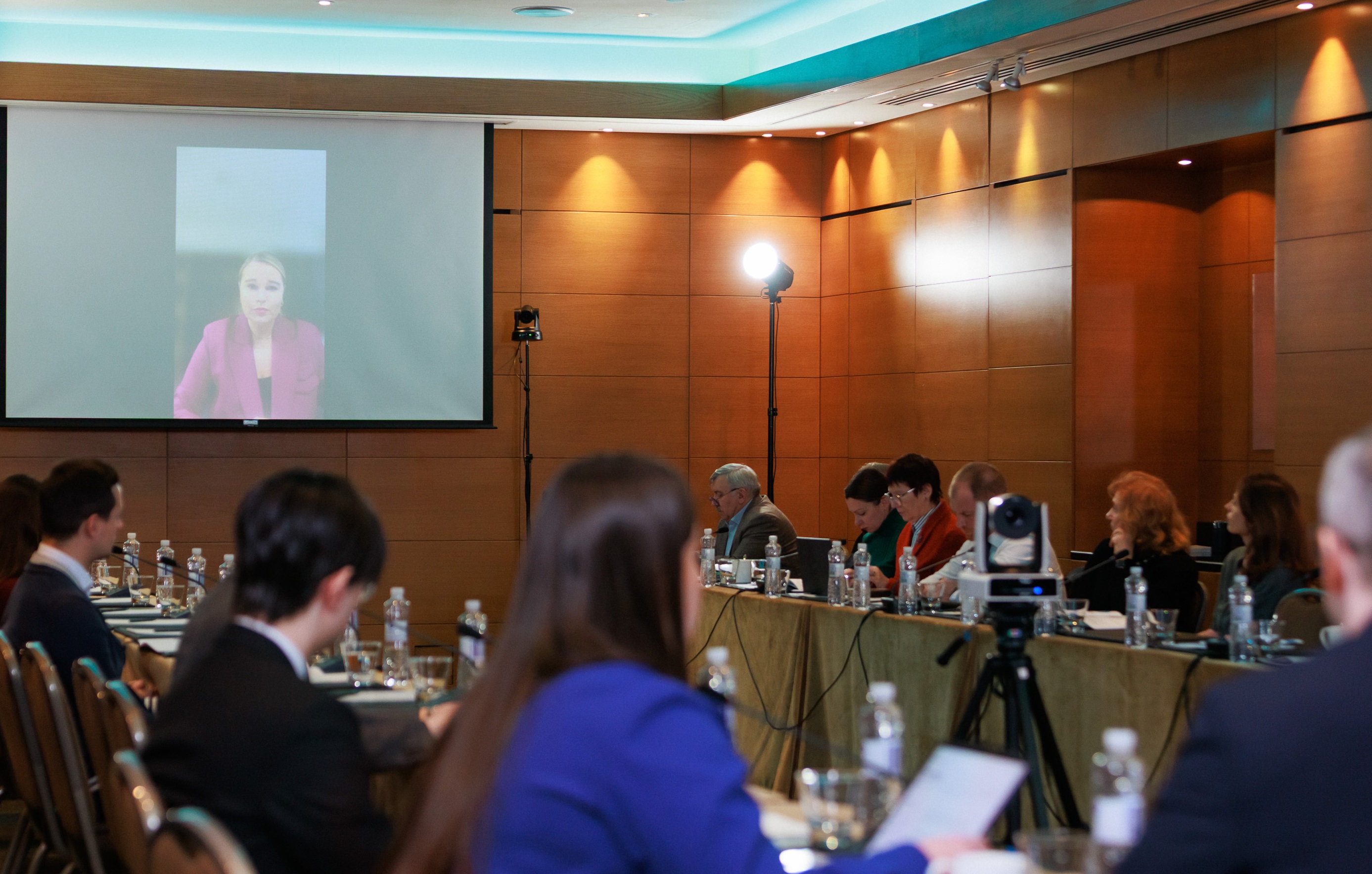
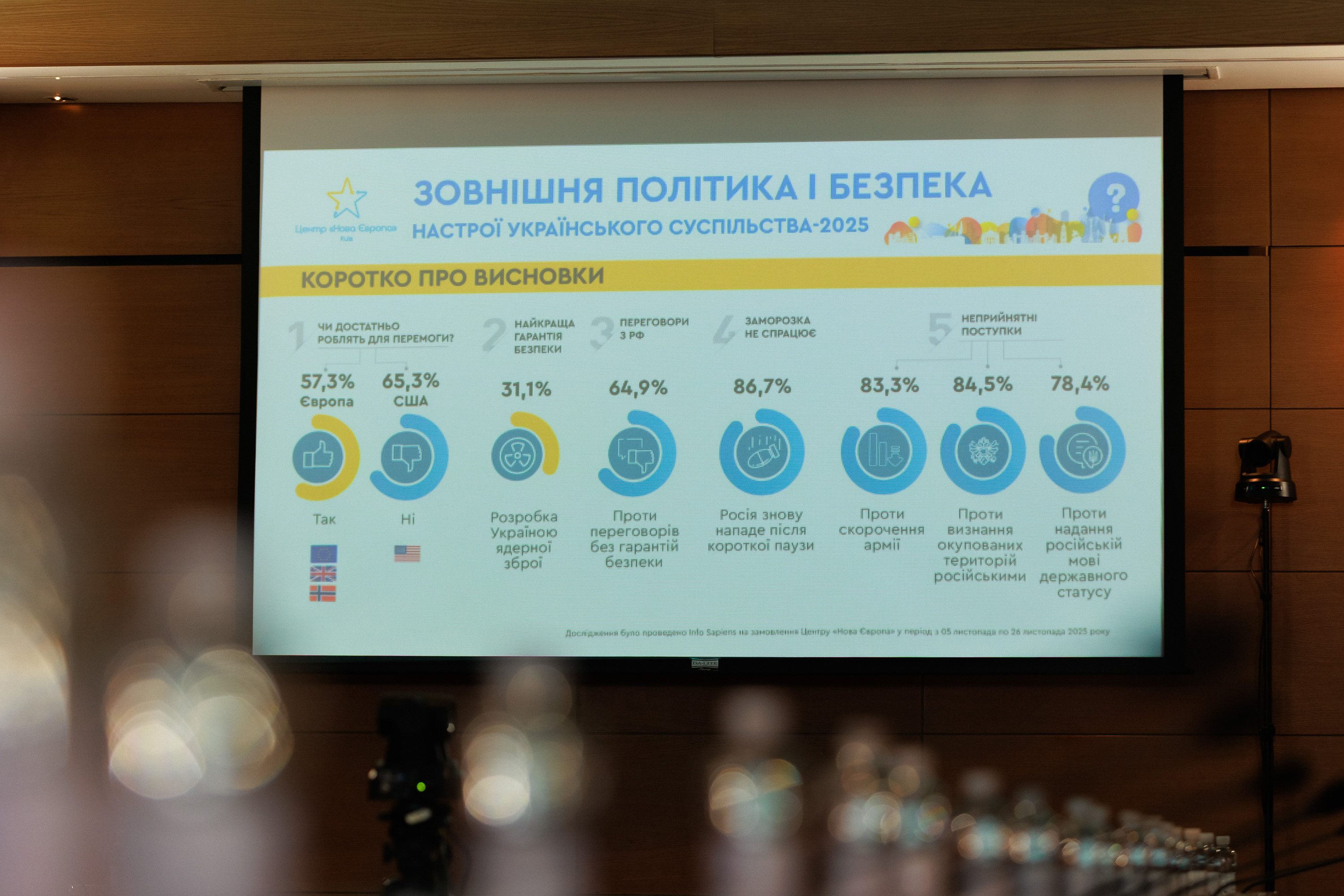
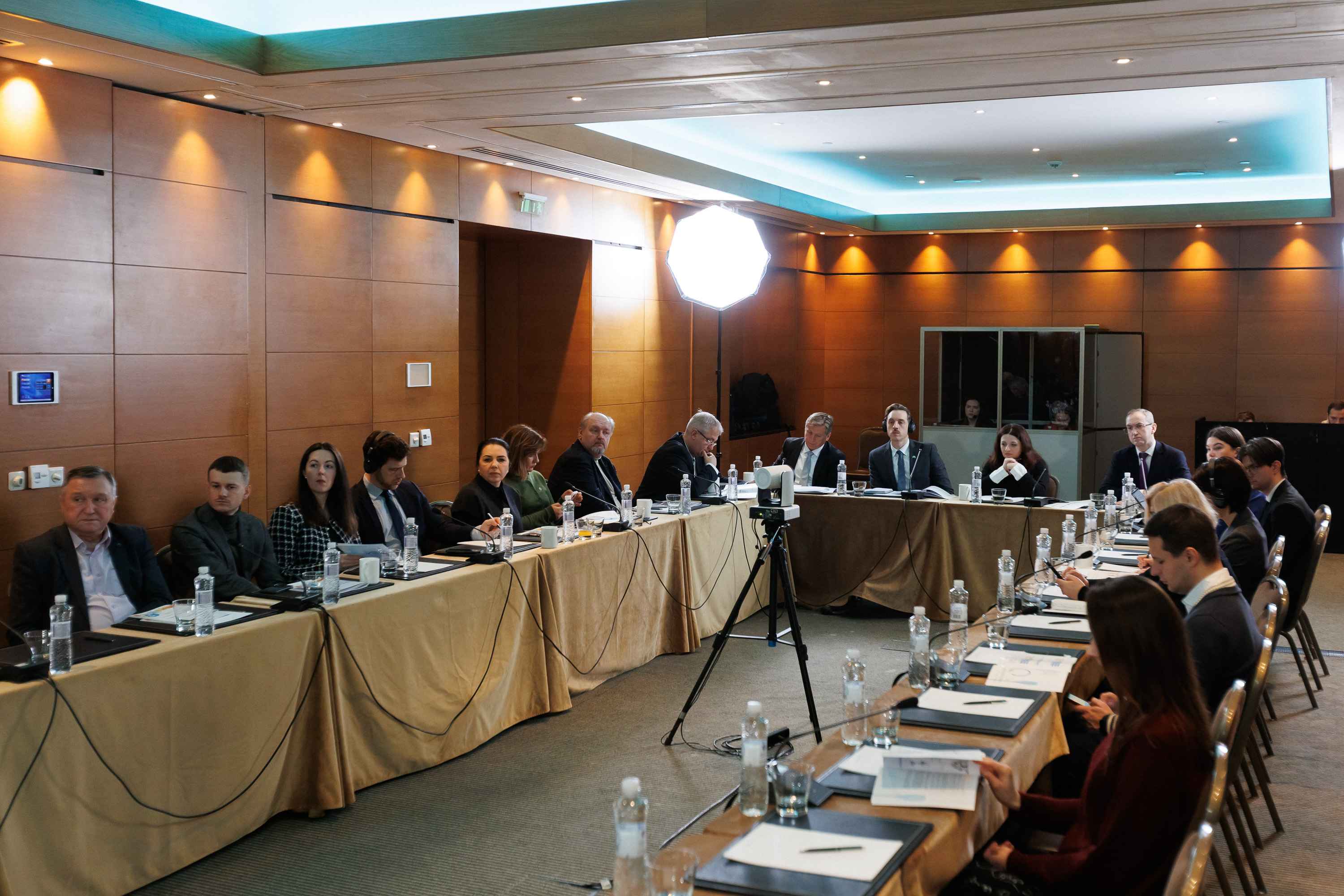
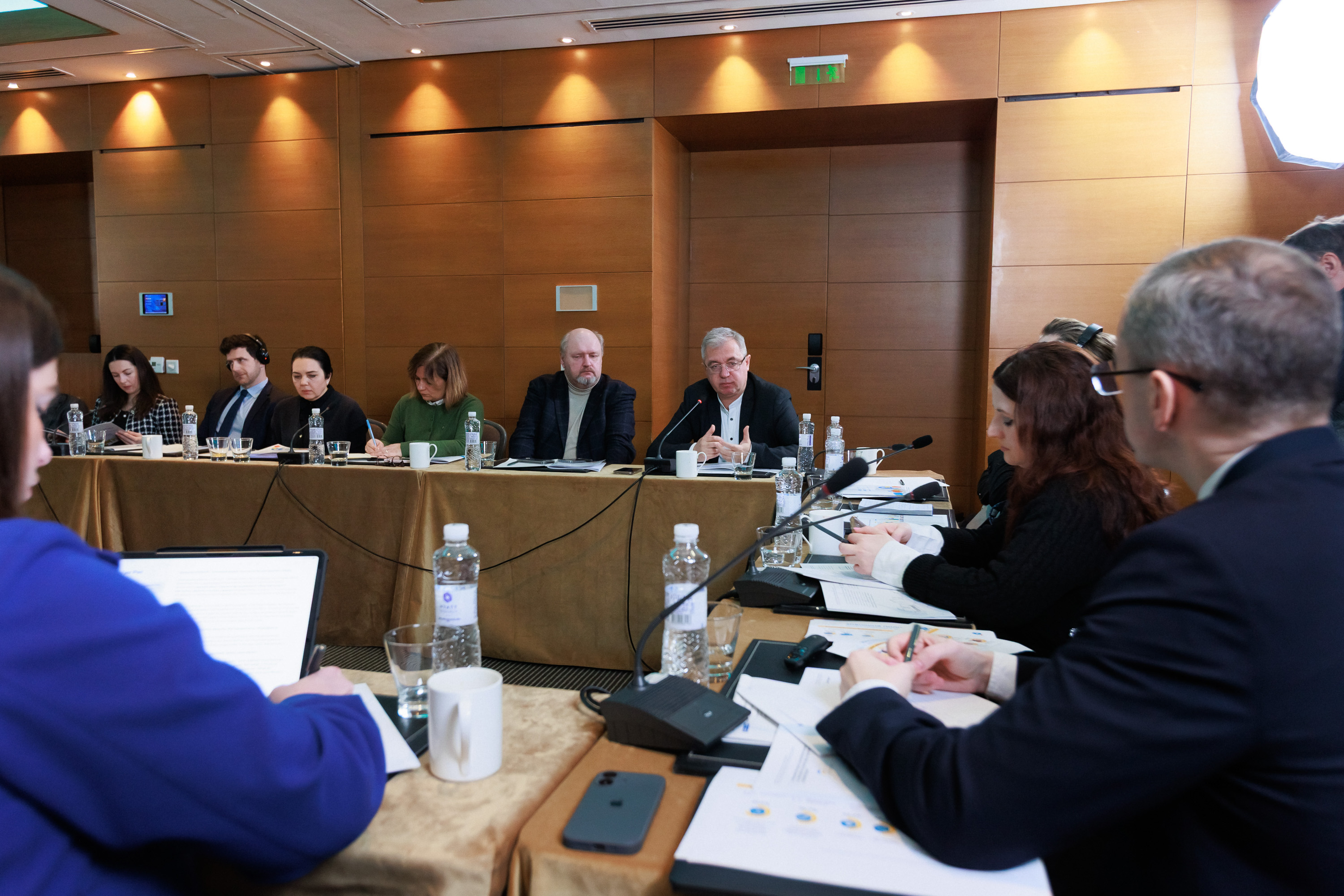

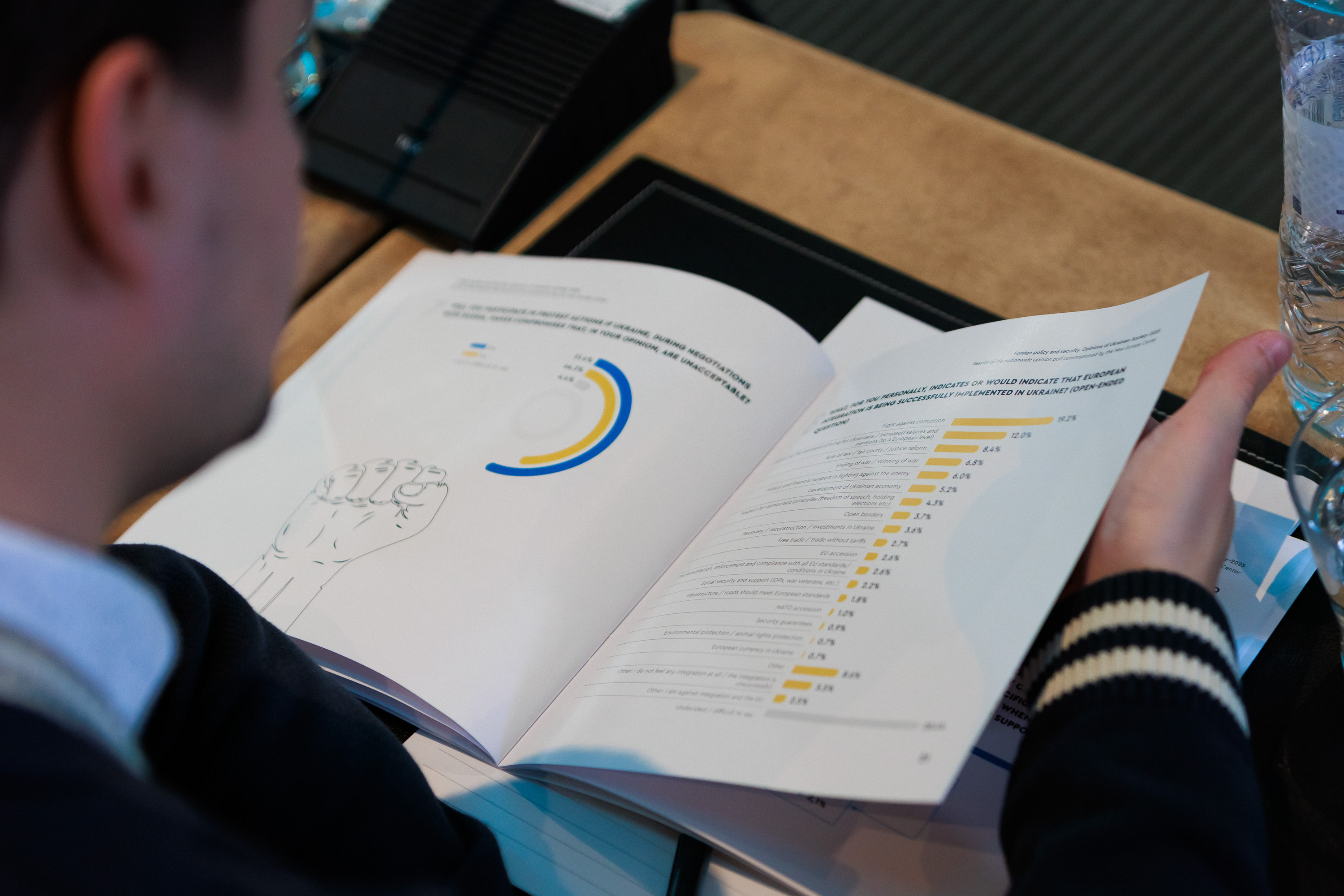
Photo report is here.
The recording in English is available on the YouTube channel, in Ukrainian – on the New Europe Facebook page.
We remind that this is the fourth consecutive survey initiated by the New Europe Center. The results of the first survey can be found here, the second here, and the third here.