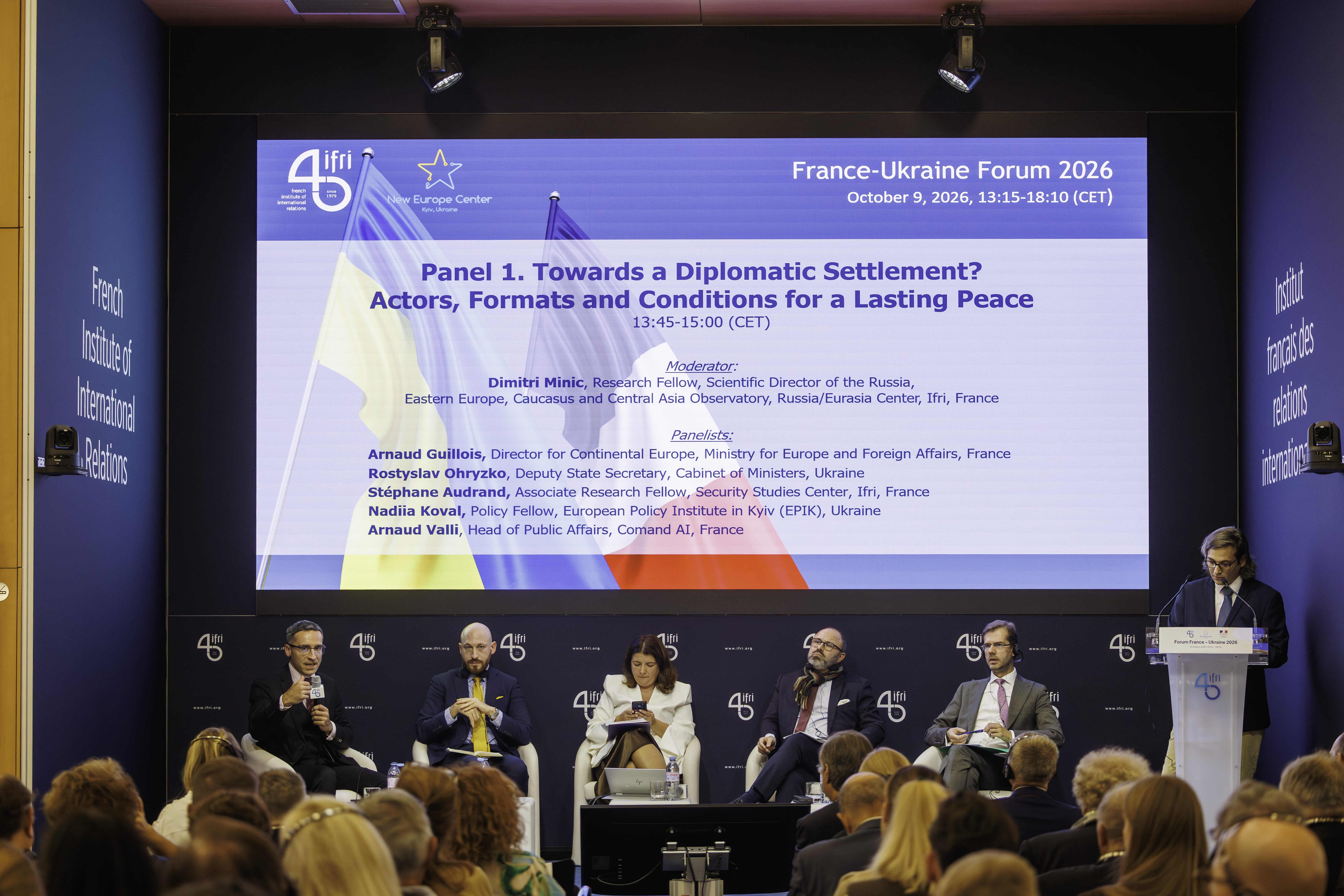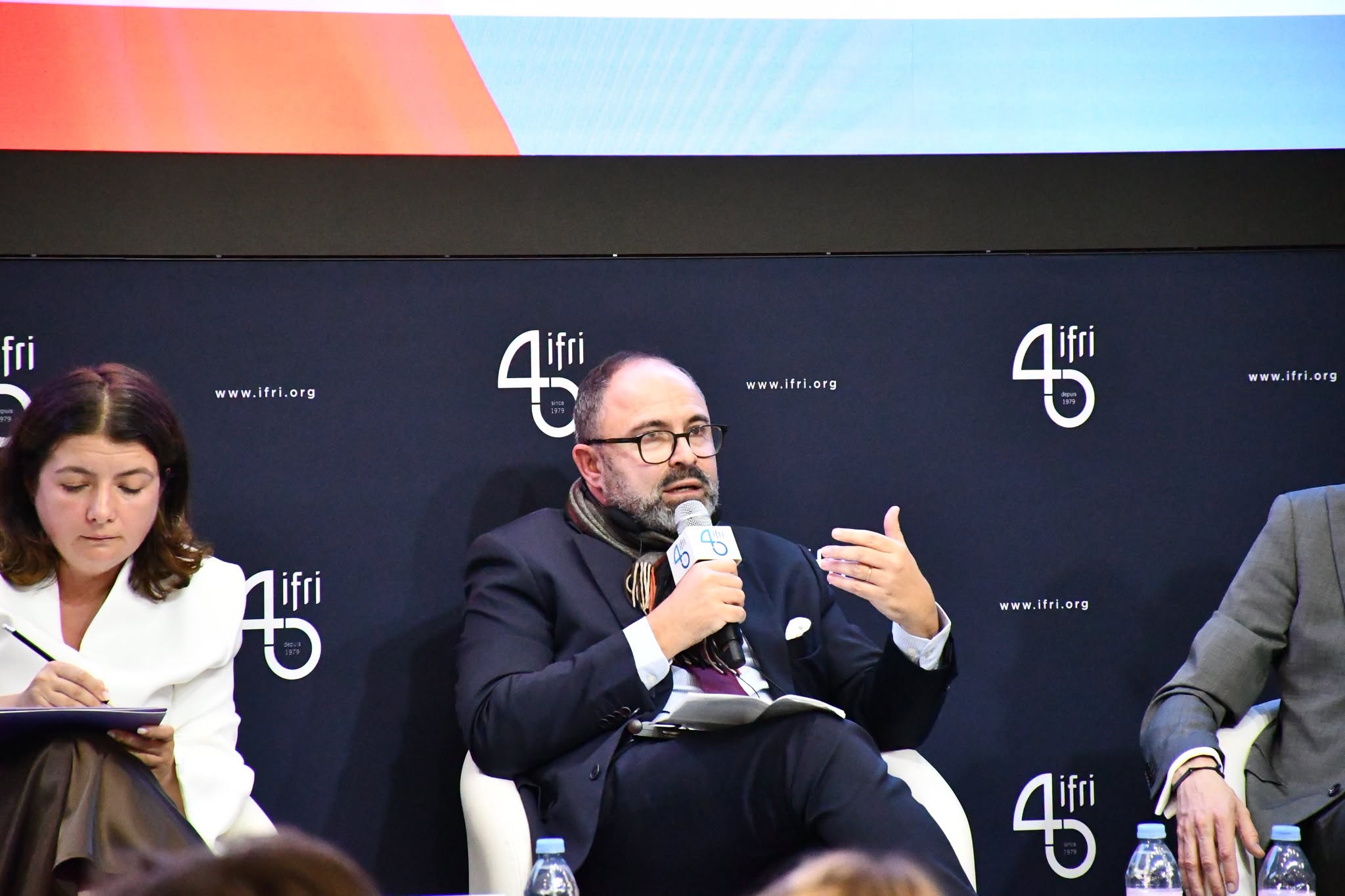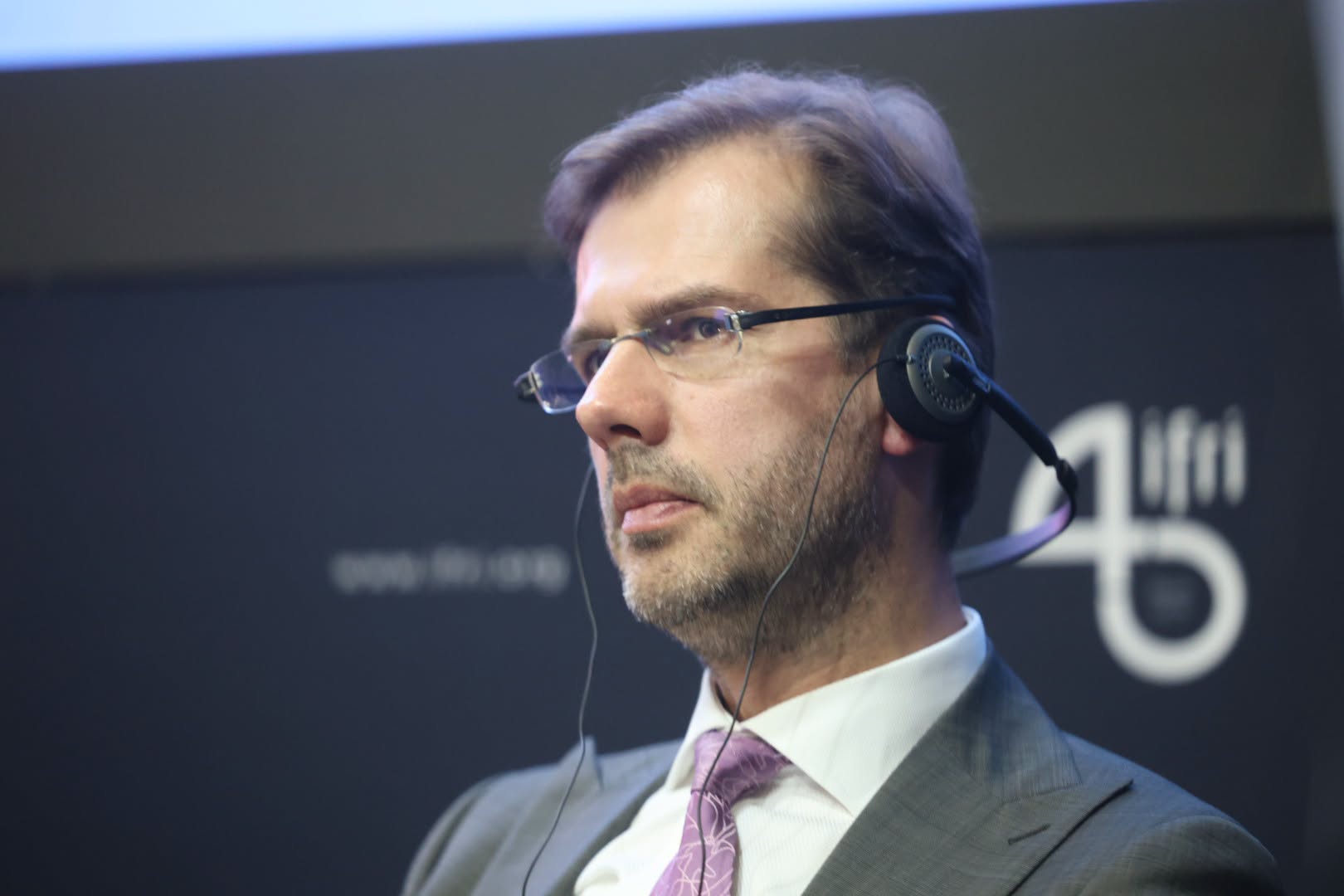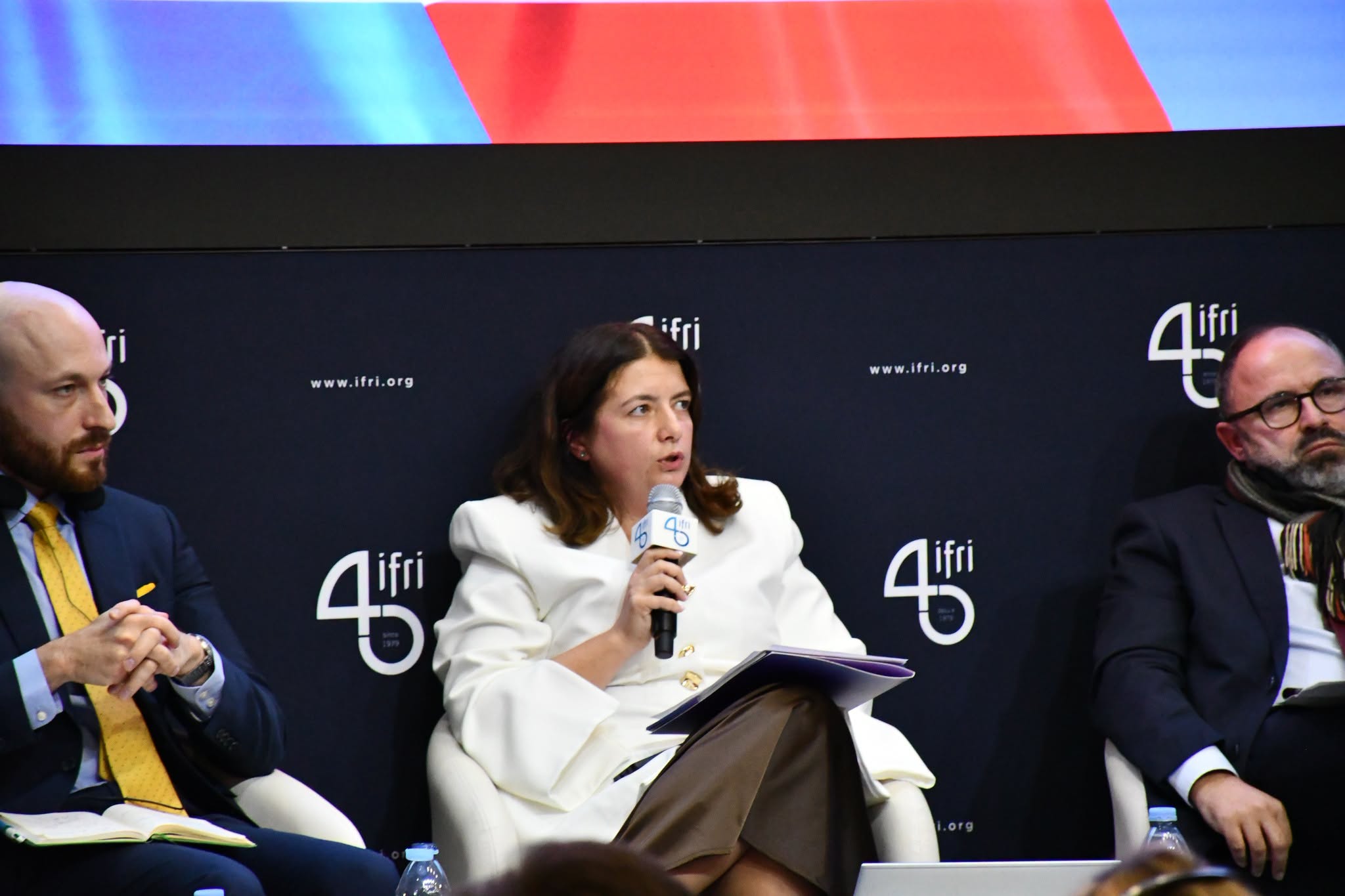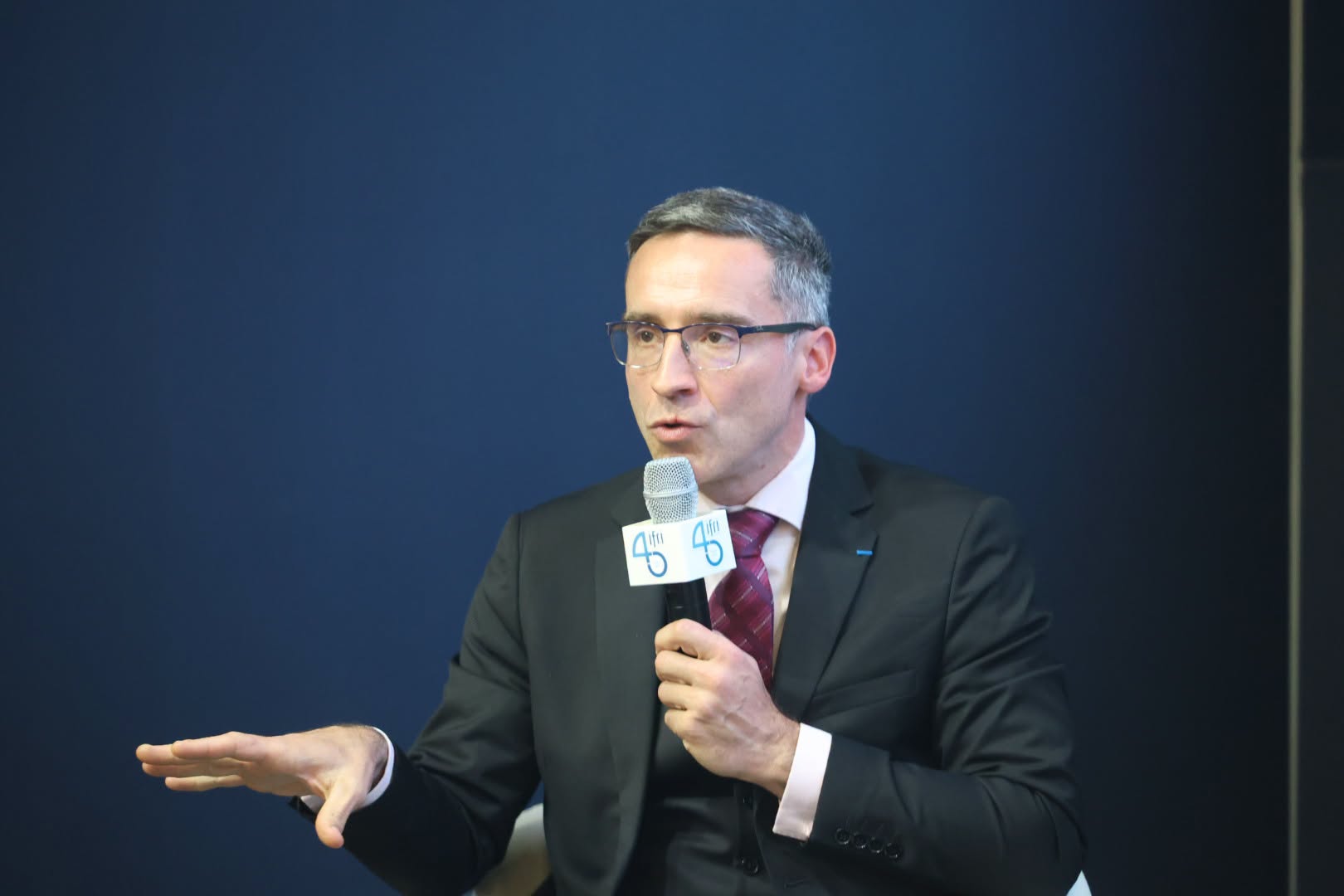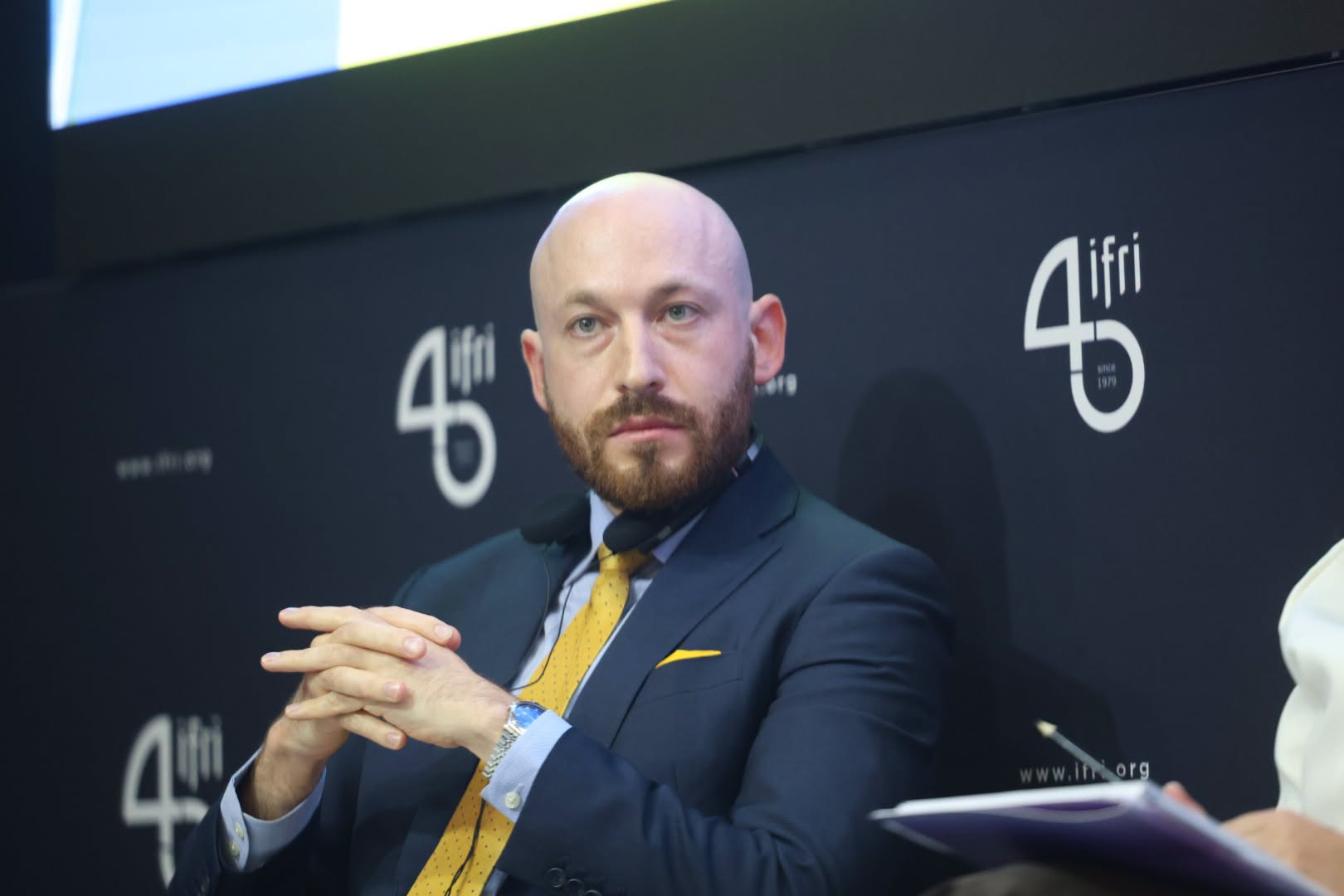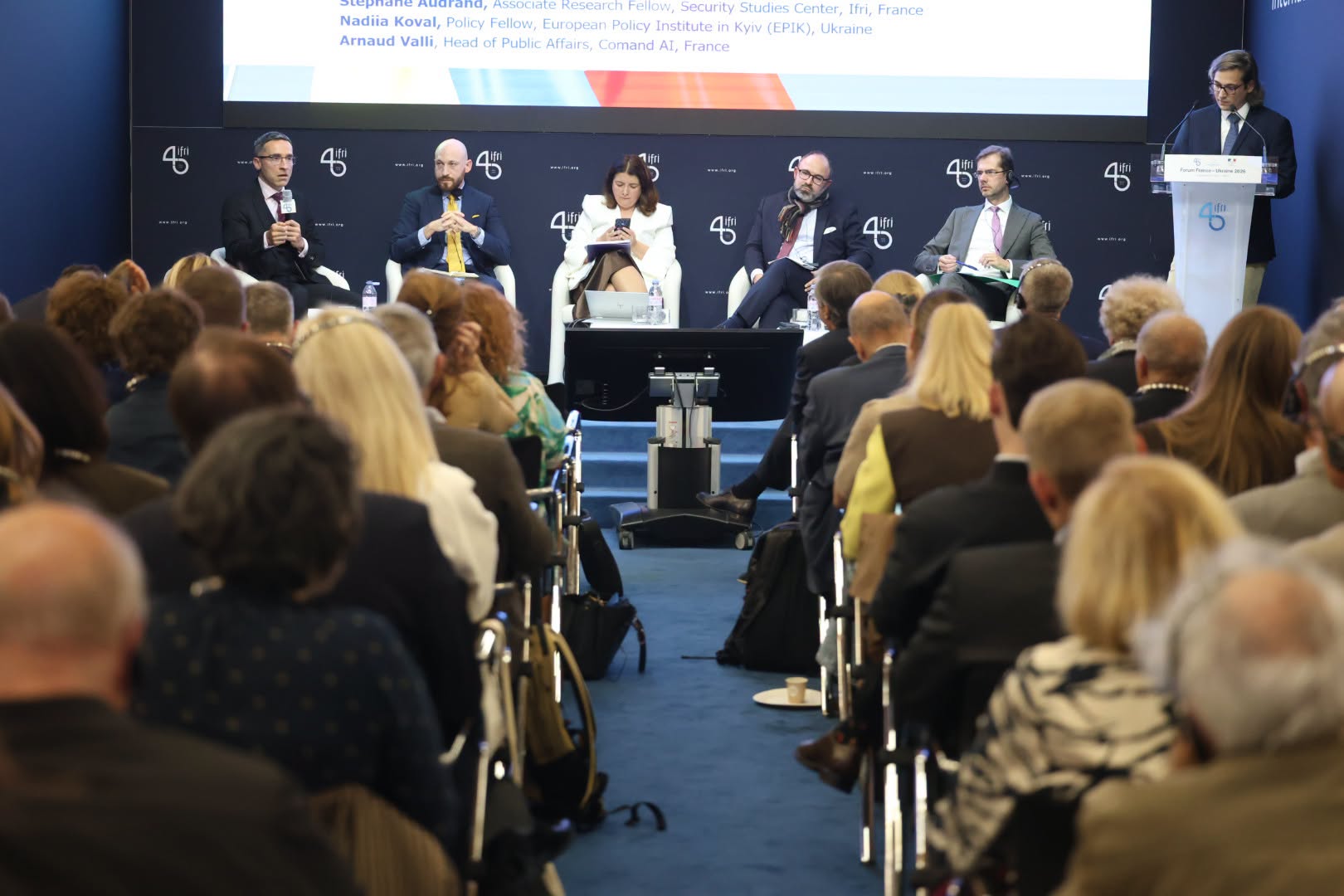
During the first panel, “Towards a Diplomatic Settlement? Actors, Formats and Conditions for a Lasting Peace”, at the 5th Ukraine–France Forum, speakers from Ukraine and France discussed prospects for a diplomatic settlement to Russia’s war against Ukraine, Europe’s role in the negotiation process, and the conditions required to ensure lasting peace.
The panellists stressed that diplomacy cannot be effective without pressure on Russia, reliable security guarantees for Ukraine, and the willingness of European partners to act together. At the same time, the defence industry and Ukraine’s cooperation with Europe must become important components of future deterrence.
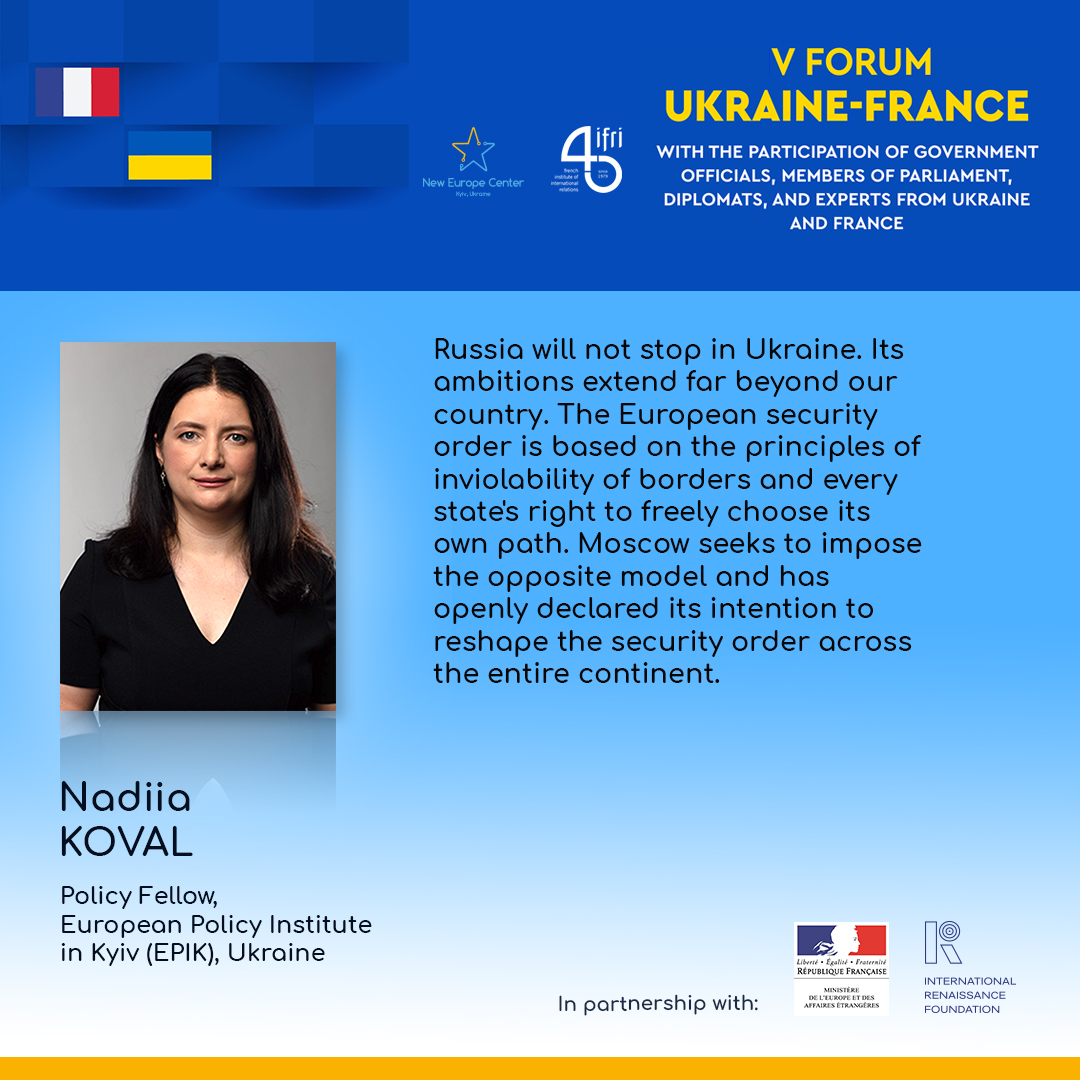
Nadiia Koval, Policy Fellow, European Policy Institute in Kyiv (EPIK), Ukraine:
- The current format of negotiations is not bringing us closer to a settlement, as the United States, Russia and Ukraine have different objectives. For Washington, negotiations are not only about ending the war, but also about normalising relations with Russia and reducing US involvement in European security;
- Russia is using negotiations as a continuation of the war by other means. It is not halting hostilities, demands territorial concessions from Ukraine, and rejects proposed ceasefire formats;
- Ukraine is agreeing to negotiations and various ceasefire formats, including partial ceasefires, in an effort to reduce pressure on the country and demonstrate to its partners that Kyiv is not the obstacle to peace;
- Ukraine’s participation in the negotiation process is a fundamental condition. Russia denies Ukraine the right to determine its own future, including its borders, alliances and domestic policies;
- Europe must be a direct participant in the negotiations. Its role cannot be reduced to supporting Ukraine: Russia seeks to reshape the entire European security order, including by restricting the right of neighbouring states to choose their own alliances;
- European countries must define the limits between compromise and deterrence and be prepared to defend their own vision of security. Under these circumstances, the format of negotiations becomes a secondary issue.
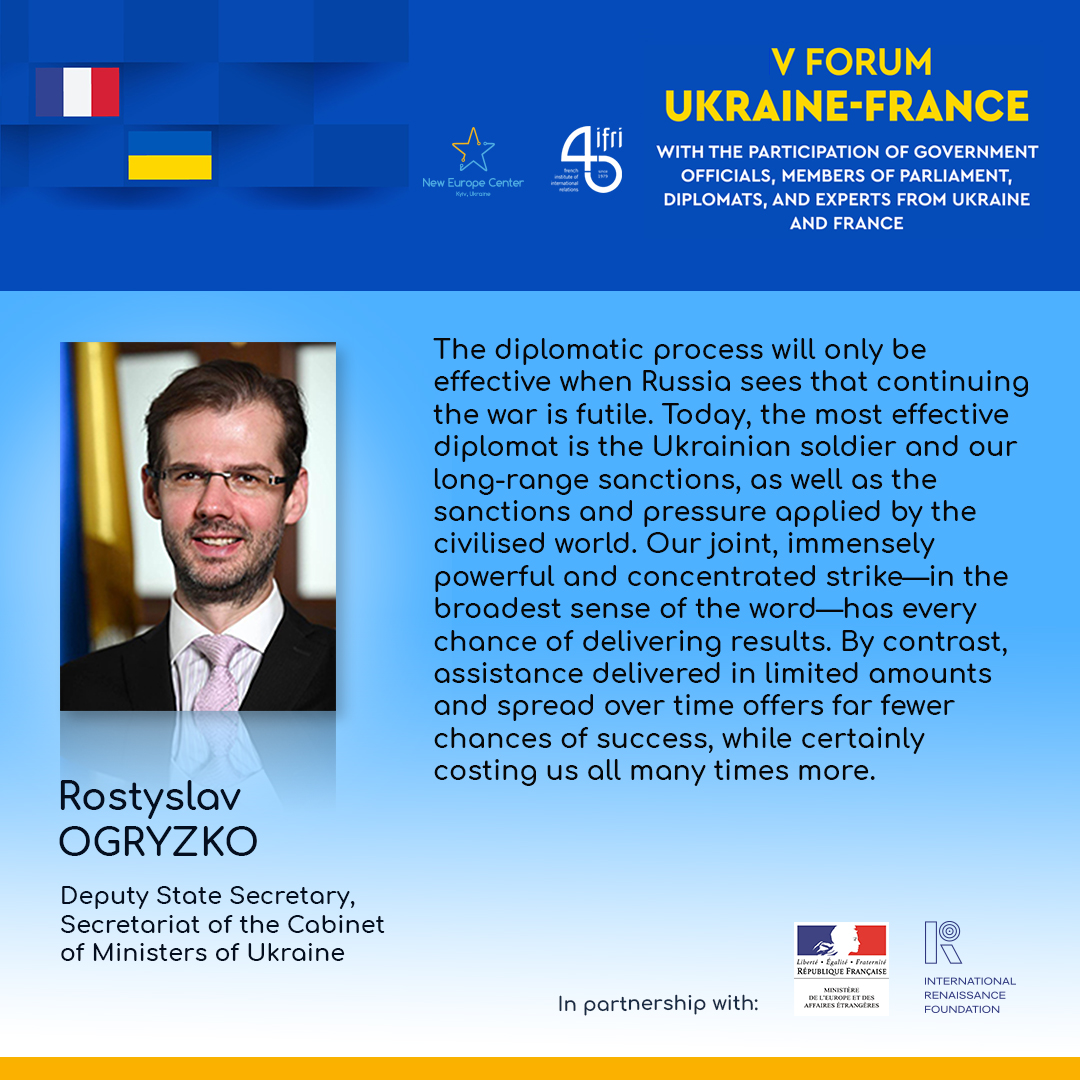
Rostyslav Ogryzko, Deputy State Secretary, Secretariat of the Cabinet of Ministers of Ukraine:
- The diplomatic process will only be effective when Russia sees that continuing the war is futile. This requires military support for Ukraine, long-range capabilities and sanctions;
- Russia understands the language of force. To bring the war closer to an end, pressure on Russia must be increased and its ability to continue its aggression curtailed;
- Ukraine and its partners must act together and decisively. European unity is essential to effective pressure on Russia, which seeks to divide European countries;
- Timely and concentrated support is more likely to deliver results than assistance that is delivered in limited amounts and spread over time. Delays in providing support reduce the chances of success and increase the shared cost of the war;
- A lasting and reliable peace is impossible without restoring Ukraine’s territorial integrity. The democratic world cannot reward an aggressor with annexed or occupied territories;
- Russia must be held accountable for its aggression and compensate for the damage it has caused. Previous diplomatic formats failed to stop Russia and ultimately gave way to a full-scale war.
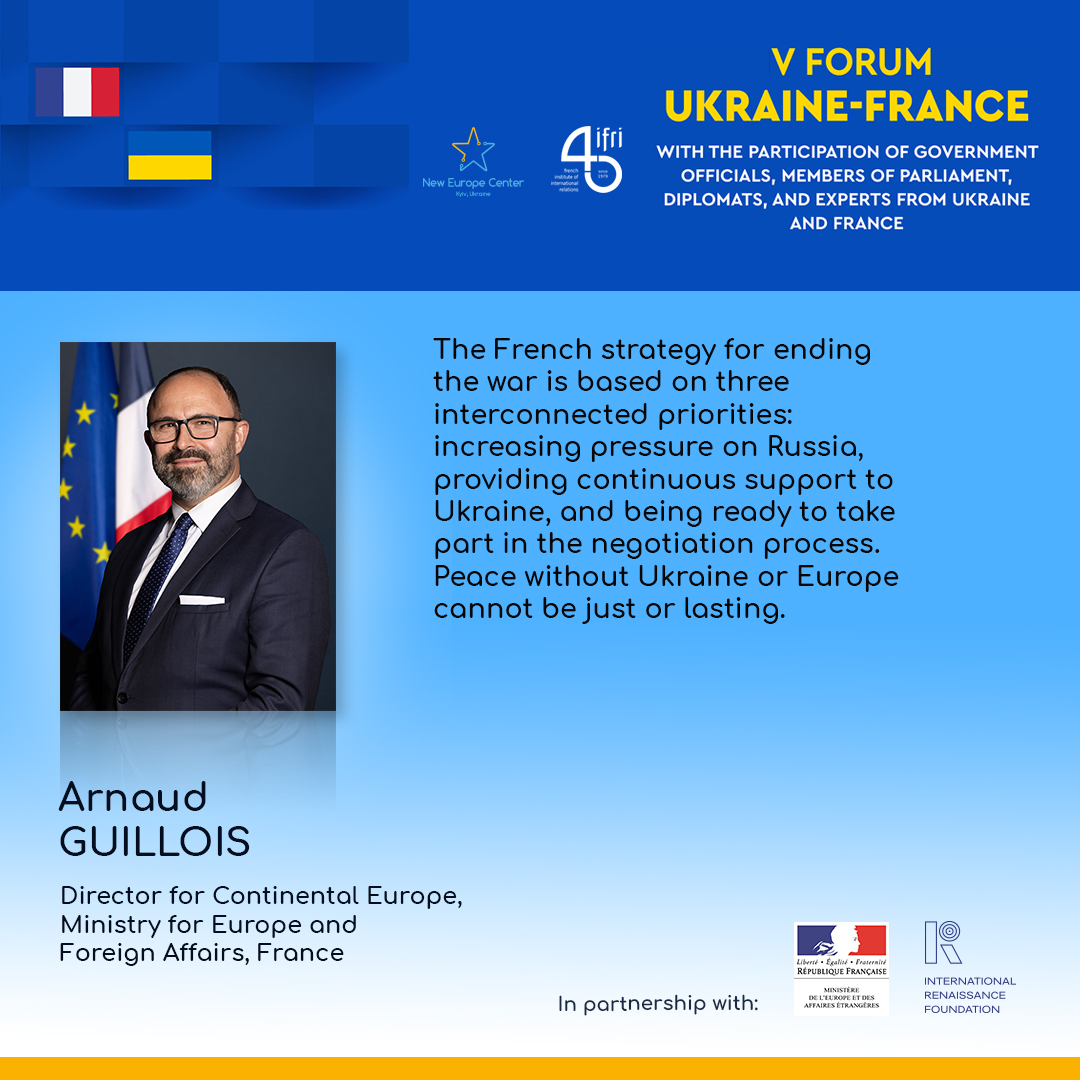
Arnaud Guillois, Director for Continental Europe, Ministry for Europe and Foreign Affairs, France:
- France and its partners continue to support Ukraine through funding, diplomatic mobilisation, military assistance and energy support;
- It is important to prevent war fatigue and a weakening of international support for Ukraine. The duration of the war must not become a reason for partners to demobilise;
- Pressure on Russia remains essential. Sanctions must not only be maintained but also strengthened to increase the cost of the war for Russia and make it more difficult for Moscow to continue its aggression;
- To ensure a just and lasting peace, Ukraine and Europe must be full participants in the negotiations. Their presence and influence at the negotiating table must be strengthened;
- A ceasefire should precede further negotiations, and the current line of contact should serve as the basis for discussions. Ukraine and its European partners must be involved in any agreements;
- It is important to engage countries beyond Europe in supporting Ukraine. Russia’s war violates the principles of the UN Charter and has significant global consequences, including for energy and commodity prices.
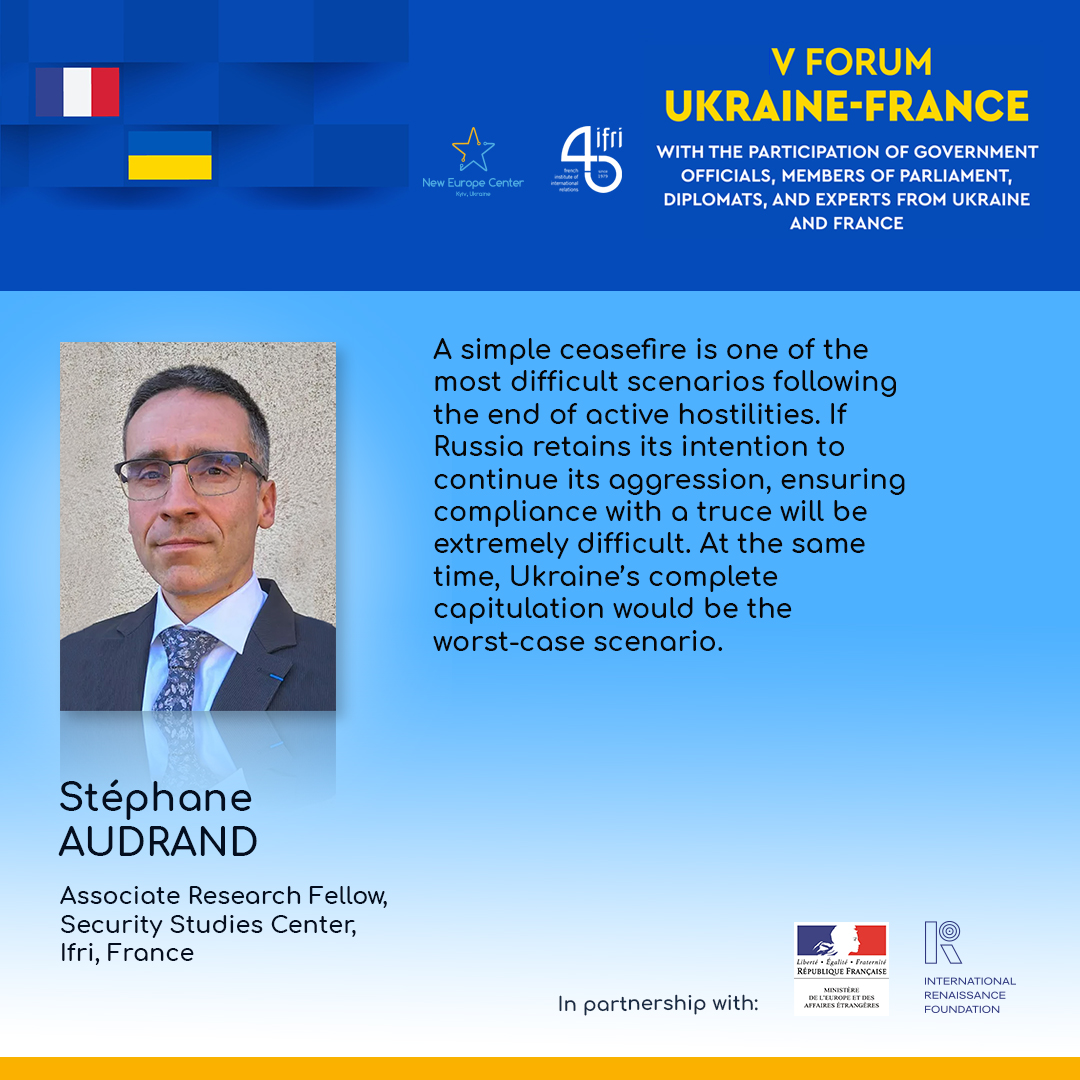
Stéphane Audrand, Associate Research Fellow, Security Studies Center, Ifri, France:
- Reliable security guarantees must include partners’ readiness to defend Ukraine in the event of renewed aggression. The willingness to act, rather than political statements alone, is the foundation of deterrence;
- A ceasefire without effective security guarantees would be an extremely unstable scenario. Russia could violate the truce, while international monitoring mechanisms would not guarantee compliance;
- Ensuring a lasting ceasefire will require real military capabilities, monitoring and the readiness of third countries to respond to renewed aggression;
- Ukraine’s ability to increase the military cost of the war for Russia affects the stability of the Russian regime and its willingness to continue its aggression;
- Diplomatic agreements with the current Russian leadership cannot, on their own, guarantee lasting peace. Russia must abandon its aggression, while Ukraine must restore control over its internationally recognised borders;
- Ukraine’s accession to NATO and the EU would be an important factor in its long-term security and the stability of the European continent.
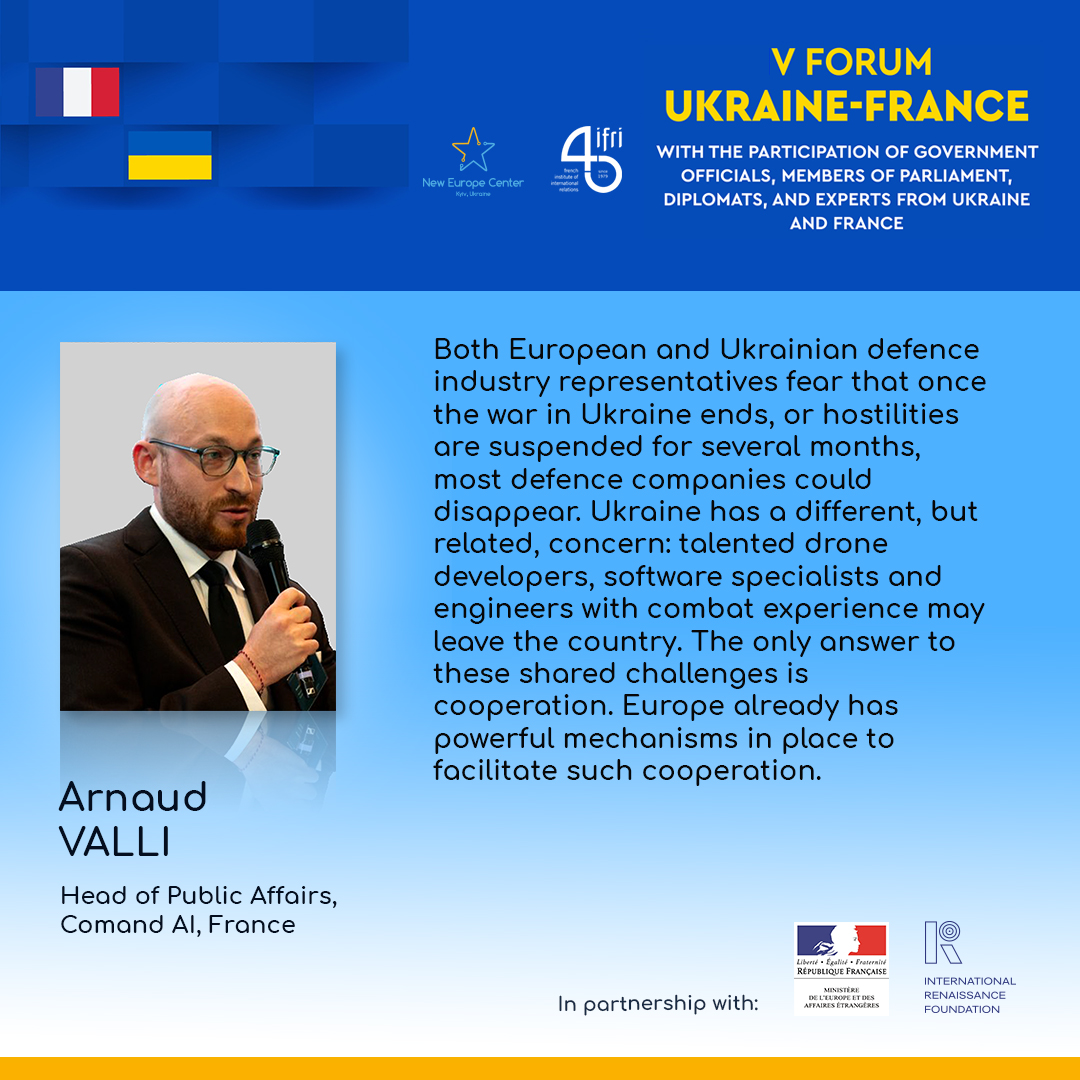
Arnaud Valli, Head of Public Affairs, Comand AI, France:
- Future peace will most likely require significant military deterrence. Ukraine and Europe must be prepared for a prolonged confrontation if Russia does not abandon its aggressive intentions;
- Ukraine’s defence industry has significant potential and practical experience that is important for Europe. Cooperation with Ukrainian manufacturers will help strengthen European defence;
- Europe is Ukraine’s strategic depth. Joint production, military equipment maintenance and investment in the defence industry can strengthen the defence capabilities of both sides;
- One of the challenges is preserving Ukrainian companies and engineering talent after the war ends or hostilities are suspended. This will require long-term industrial plans and cooperation mechanisms;
- The development of Ukraine’s and Europe’s defence industries is not only an economic opportunity, but also an important element of deterring Russia and ensuring lasting peace.
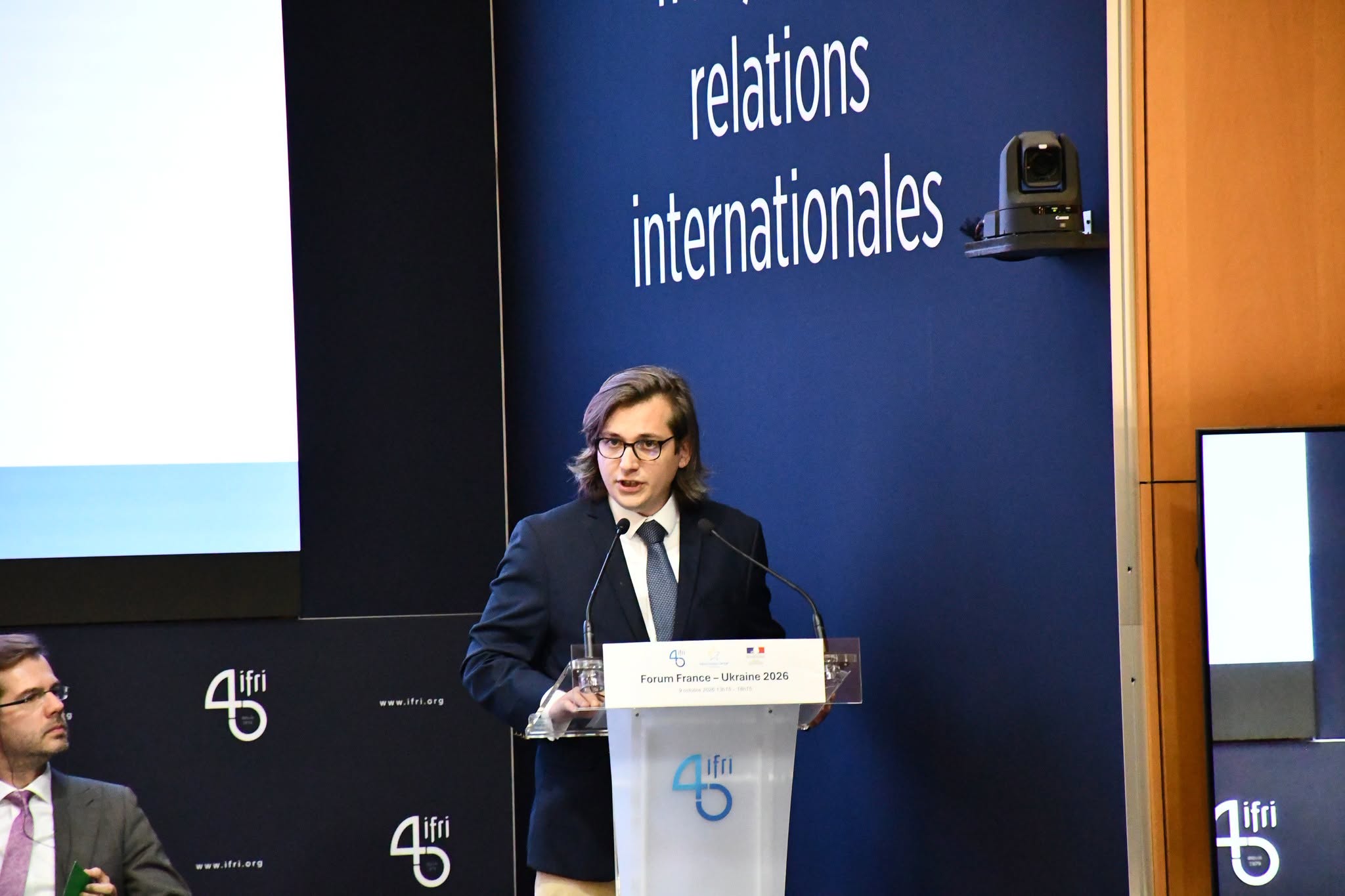
The first panel was moderated by Dimitri Minic, Research Fellow, Scientific Director of the Russia, Eastern Europe, Caucasus and Central Asia Observatory, Russia/Eurasia Center, Ifri.
Watch the recording in Ukrainian: https://cutt.ly/wymCcq0Y
The Forum is organized with the support of the French Ministry of European and Foreign Affairs. For this event, the New Europe Center is supported by the International Renaissance Foundation.