The European Union’s enlargement agenda has been fundamentally transformed from a stalled administrative policy into an urgent geopolitical necessity, according to experts at a policy discussion recently held in Rome. The session highlighted that the process is now a “two-way street” requiring profound internal reforms within the EU to match the rigorous adaptations of candidate countries.
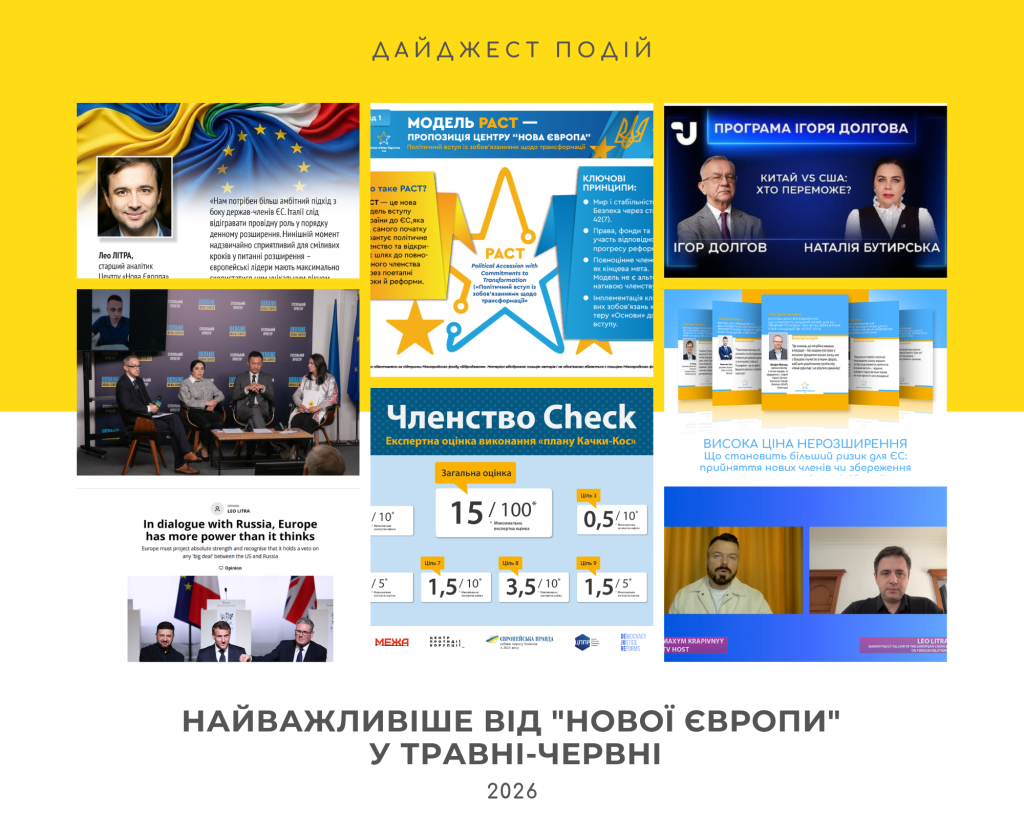
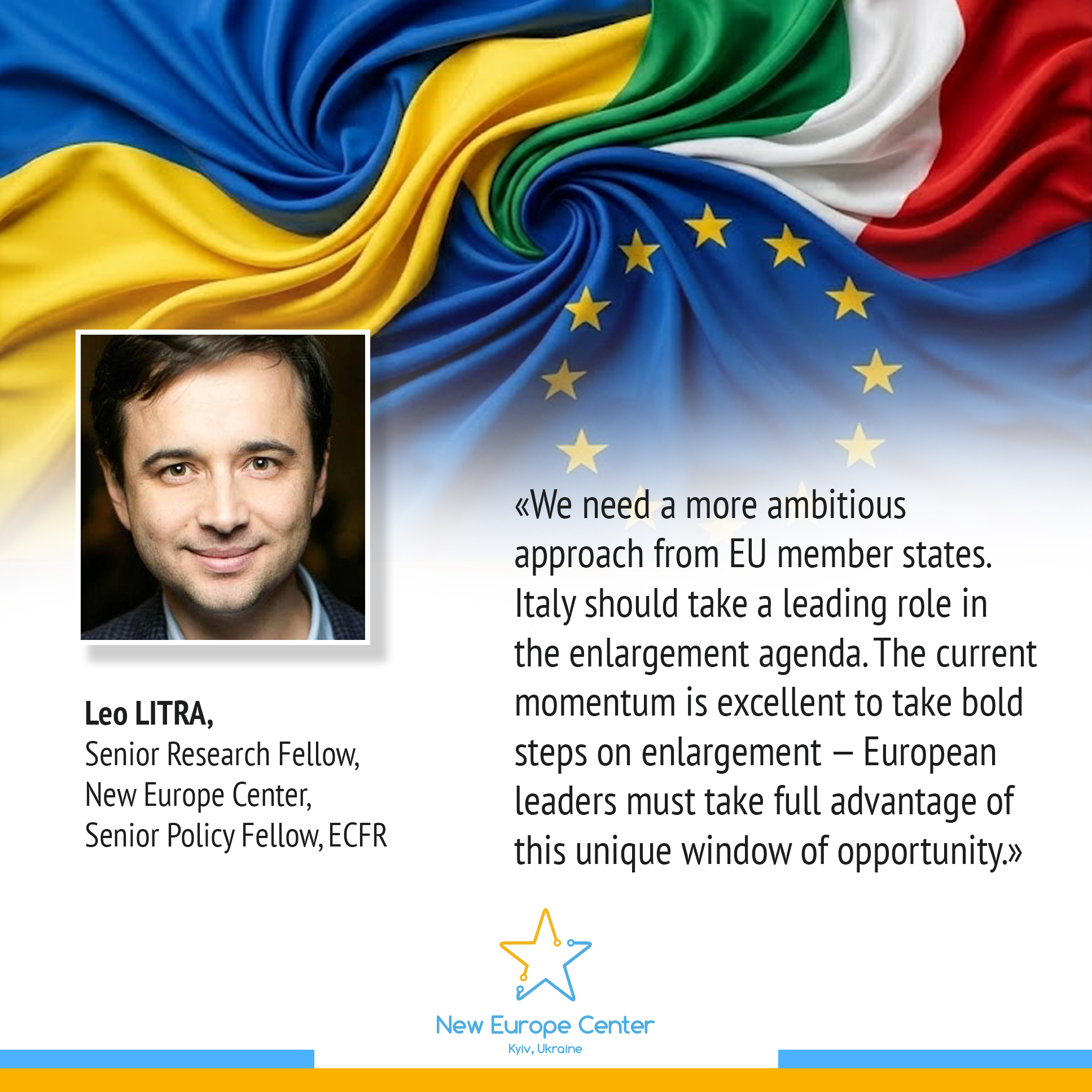
Leo Litra, Senior Fellow at the New Europe Center (NEC) and Senior Policy Fellow at the ECFR, served as the featured speaker for the discussion. During his remarks, Leo Litra called for a more ambitious approach from EU member states, specifically calling on Italy to take a leading role in the enlargement agenda. He emphasized that the “current momentum is excellent to take bold steps on enlargement” and urged European leaders to take full advantage of this unique window of opportunity.
The discussion focused heavily on Ukraine as the primary case study for this new era of enlargement. Participants noted that the full-scale Russian invasion has rewritten the EU’s enlargement playbook, turning the narrative from a series of bureaucratic milestones into an existential security imperative. A central theme of the exchange was that Ukraine is needed inside the EU not only for its own sake but to significantly strengthen the collective security of the entire bloc.
The group also addressed how recent political shifts within the Union—most notably the change of government in Hungary—have provided a fresh impetus for the process. These developments were credited with unblocking previous diplomatic bottlenecks and clearing a path for Kyiv’s accession process to advance.
Looking ahead, the policy discussion examined the challenges of integrating a post-war Ukraine alongside other candidate countries. Such a historic wave of enlargement will test the EU’s institutional limits, financial architecture, and internal cohesion.
The policy discussion was organised by the ECFR Rome office on May 21, 2026.
This visit of the New Europe Center to Italy was supported by the International Renaissance. Foundation.