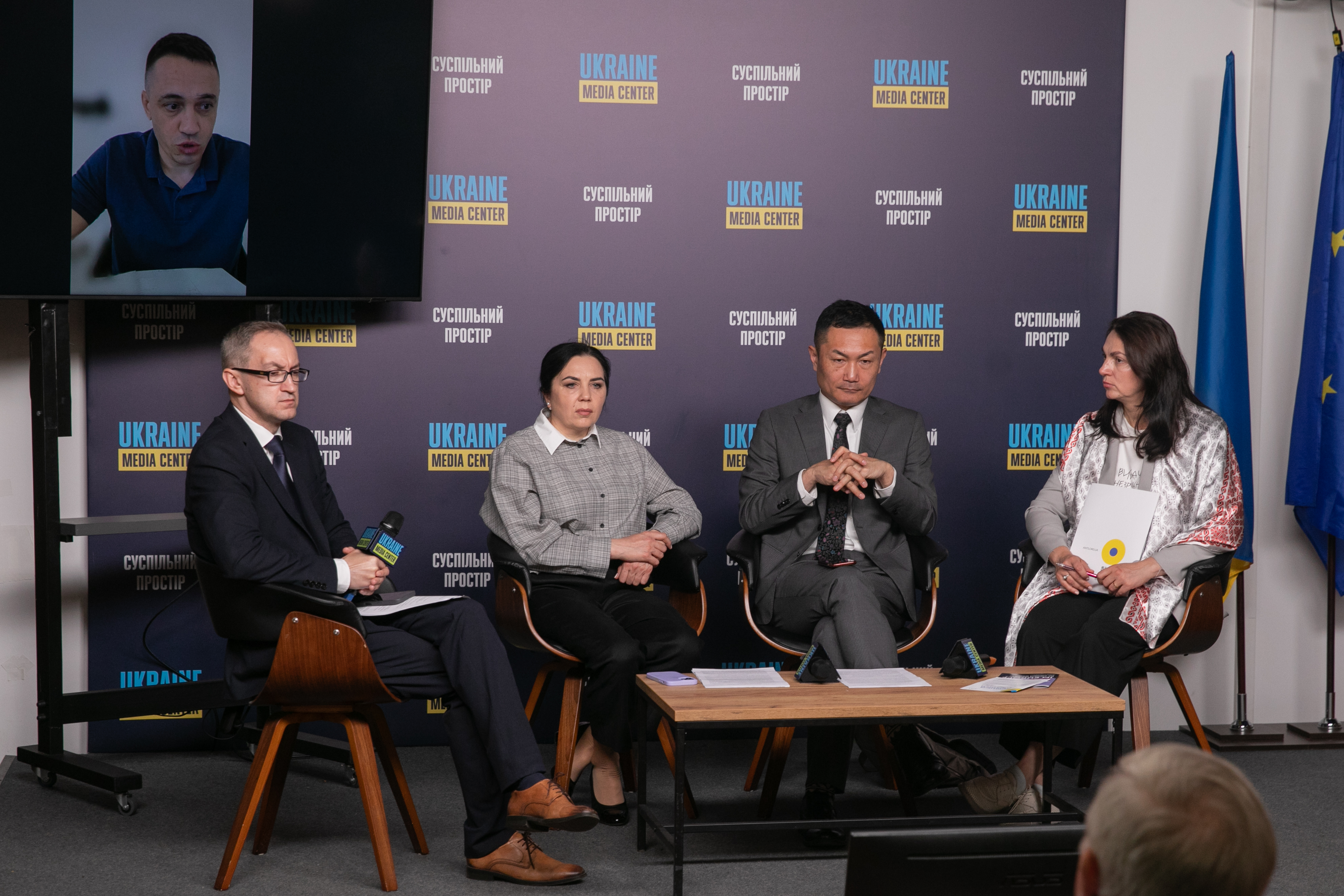
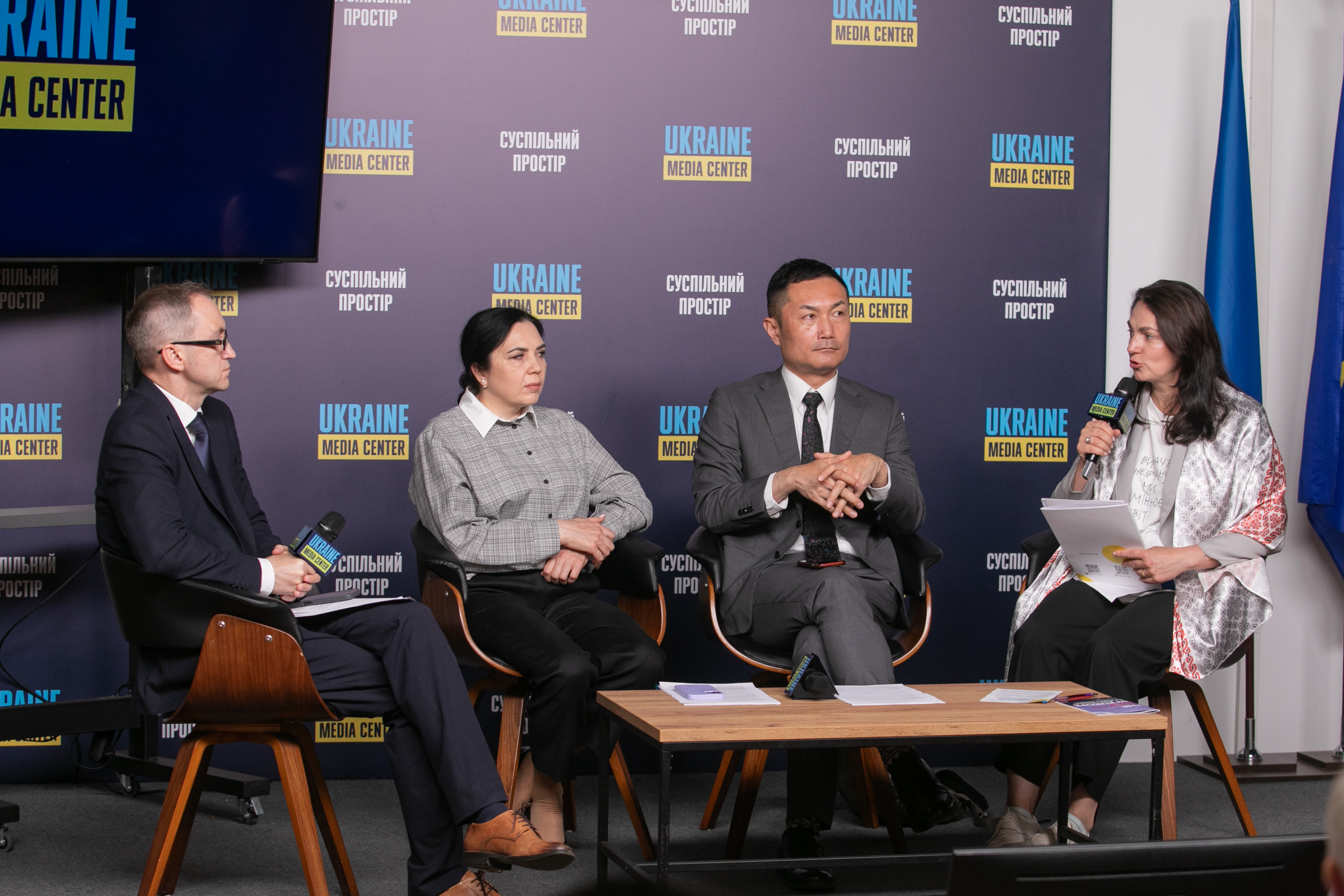
On June 18, 2026, the New Europe Center organized a discussion “The Asian Flank of Support for Ukraine: Why Partnerships Are Not a Given and How to Strengthen Them”. The event brought together Ukrainian and international experts to analyze the role of Asian democracies in supporting Ukraine and to identify perspective directions for further cooperation.
As part of the event, the New Europe Center presented an analytical document on deepening Ukraine’s partnerships with Japan, South Korea, and Taiwan.
Opening the discussion, Sergiy Solodkyy, Director of the New Europe Center, emphasized: “There may be differences in approach between Ukraine and Asian democracies when it comes to responding to threats. But we are united by an understanding of the core issue: Russia, together with its authoritarian partners, is undermining security not only in Europe but throughout the world. That is why it is important for Ukraine to narrow these differences and transform its relations with Japan, South Korea, and Taiwan into a long-term partnership for responding to shared threats.”
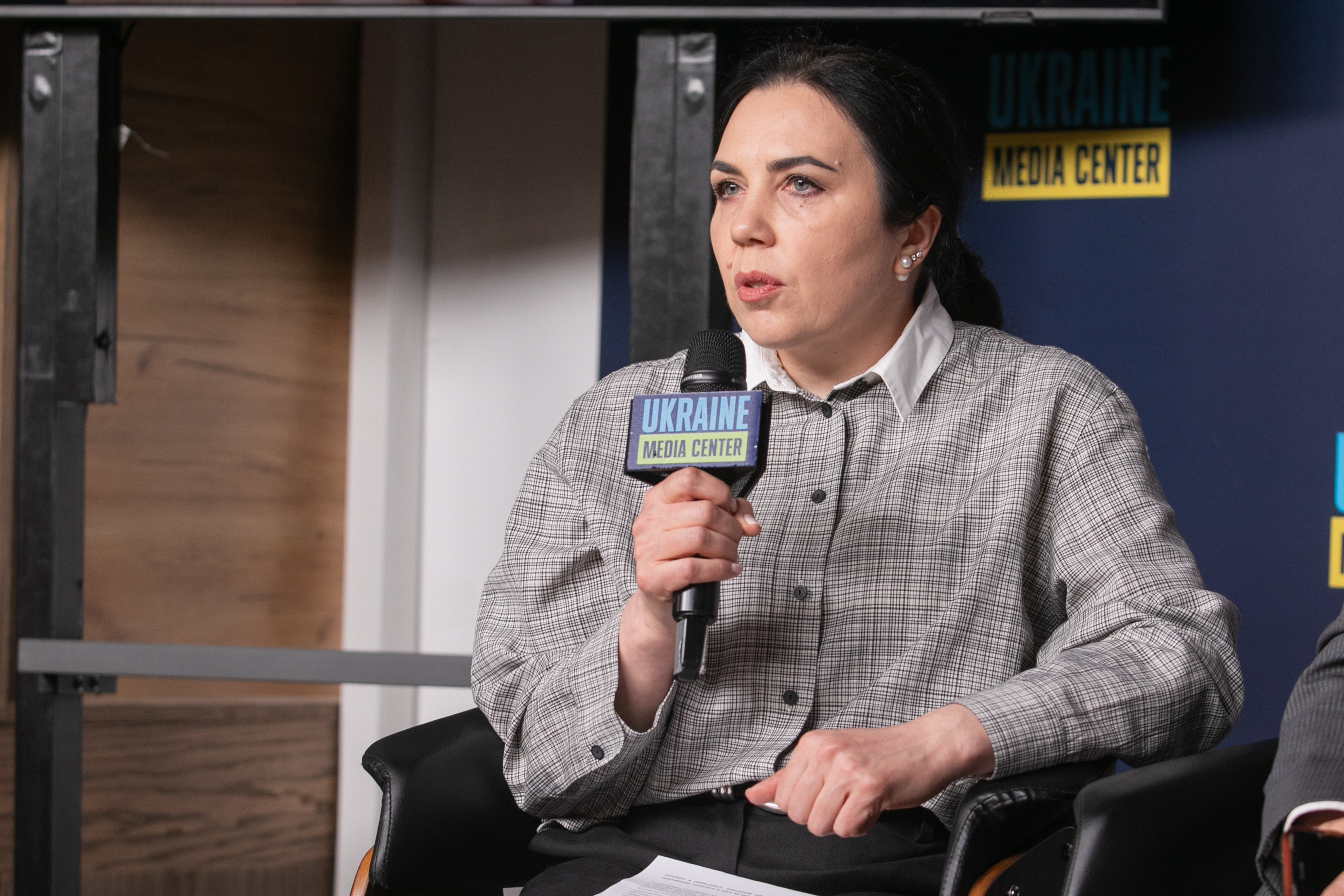
Nataliya Butyrska, Senior Fellow at the New Europe Center and an expert on the Asia-Pacific region, stressed the need for systematic engagement with Asian partners at a time when Russia is attempting to exploit energy dependence to its advantage: “We should not treat the assistance of Asian partners as something that forms automatically. We need to monitor what is happening in these countries and consider how to convince each of them that support for Ukraine must be consistent, in order to persuade them that we must fight together against shared threats. Moreover, we need to offer something in return for the requests and needs of these countries.”
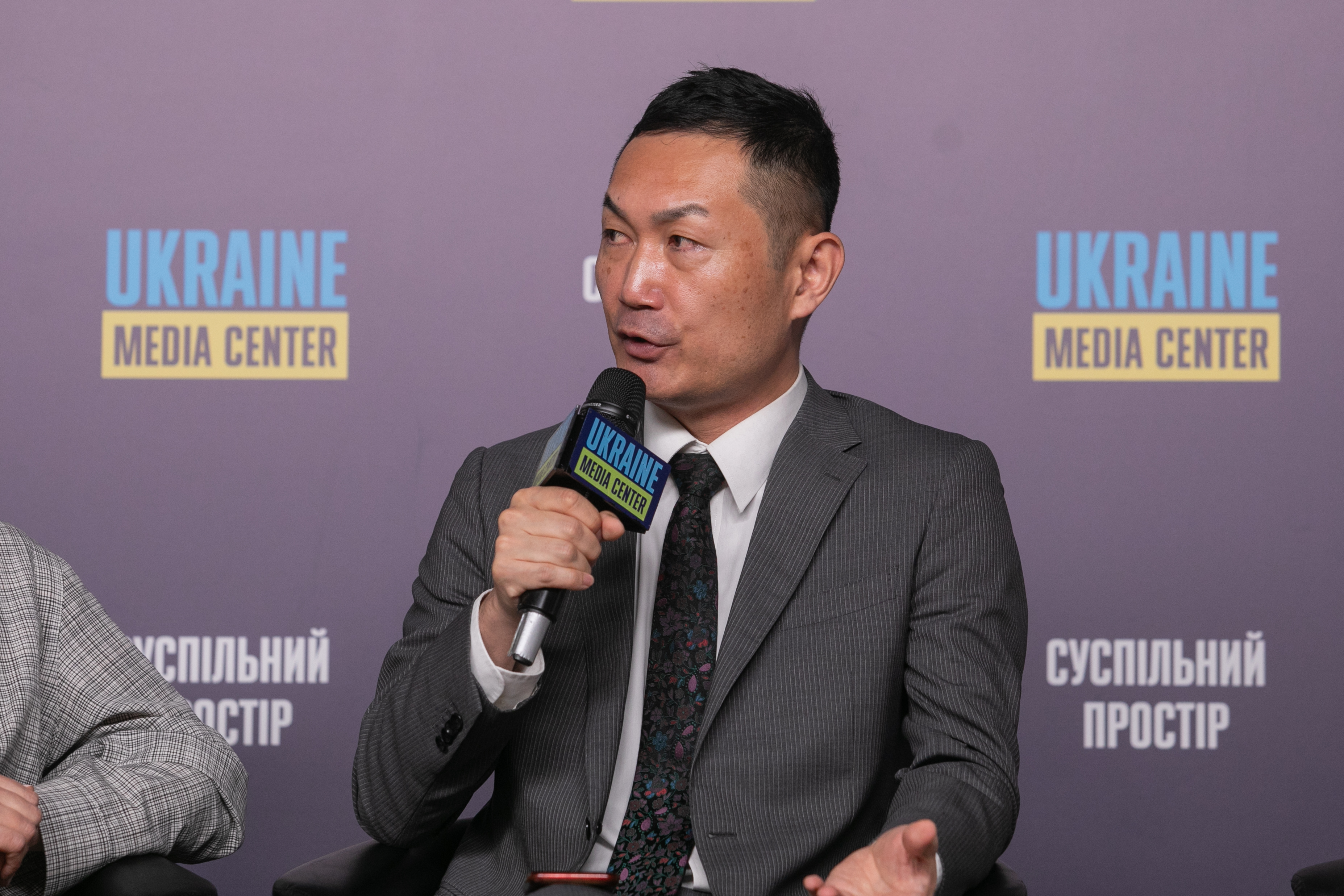
Takashi Hirano, Journalist at the national news agency Ukrinform, underscored the stability and long-term nature of Japanese support for Ukraine: “I believe Japan can serve as a model among Asian countries in supporting Ukraine. Japan has helped Ukraine sincerely and consistently, and this trend continues – it continued last year and continues now. I am confident that Tokyo will continue to support Ukraine going forward. Energy and other assistance is currently increasing and will continue to be implemented.”
At the same time, he drew attention to certain worrying signals in Japanese-Russian contacts. These include attempts to maintain communication channels with Moscow under the pretext of protecting Japanese economic interests in Russia, possible contacts at the level of foreign ministries, and visits by Russian representatives to Japan. In Takashi Hirano’s view, these developments could raise concern among those who advocate for continued support of Ukraine.
Participants in the discussion highlighted the importance of high-level political dialogue between Ukraine and Japan – between Japanese Prime Minister Sanae Takaichi and President of Ukraine Volodymyr Zelenskyy.
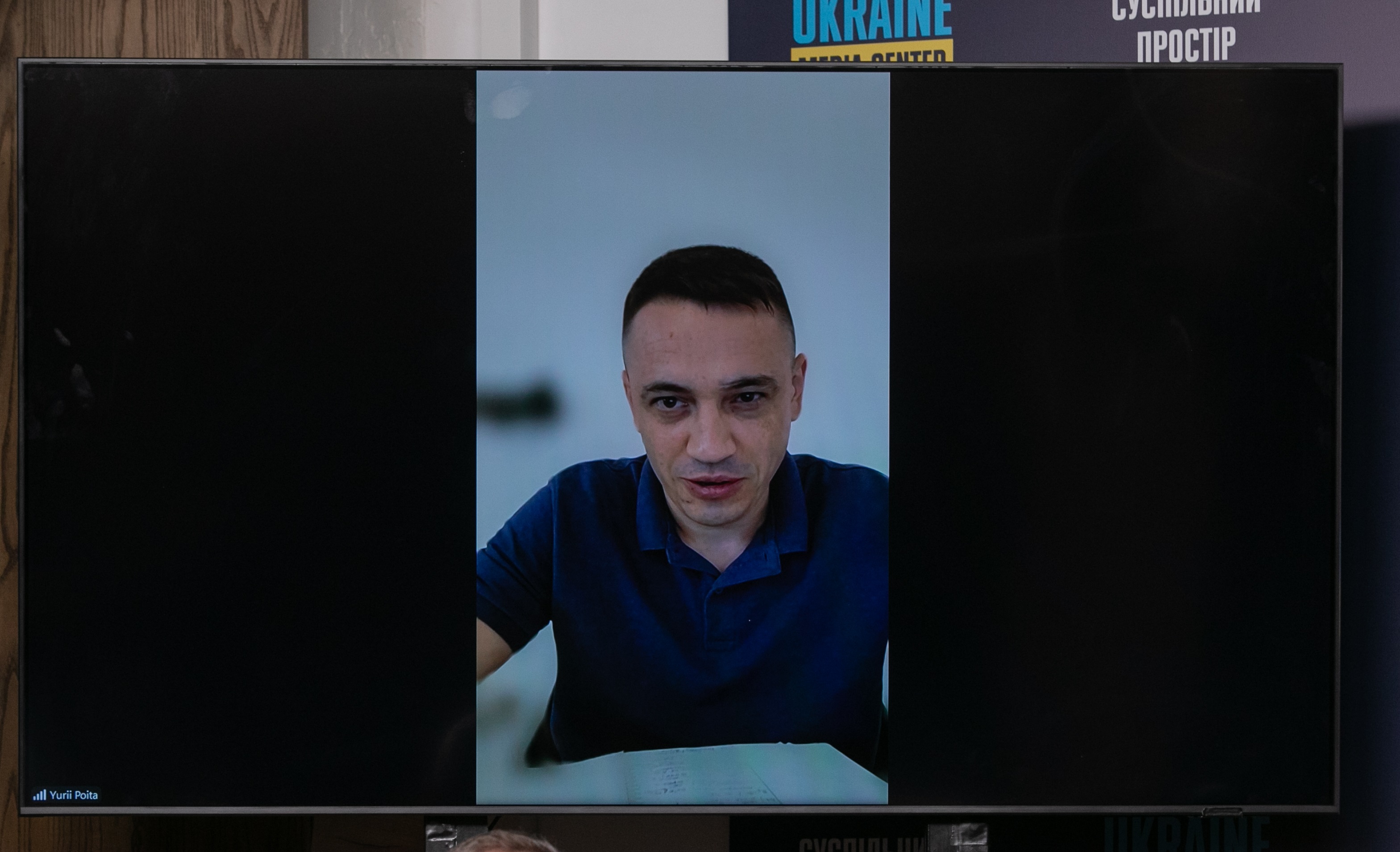
Yuriy Poita, Senior Associate Fellow at MERICS, broadened the discussion to a global context, noting that the Asia-Pacific and European theaters are becoming increasingly interconnected: “The two theaters – Asia-Pacific and European – are becoming ever more closely linked and are increasingly influencing one another. Recently, Europe has seen a growing number of conferences, round tables, and war games dedicated to the interdependence of these two theaters.” In his view, the situation surrounding Taiwan is a vivid example of this connection: “How it develops over the coming years will directly affect the security situation in Europe as well. This will require very close coordination between Europe, the United States, and Asian partners.”
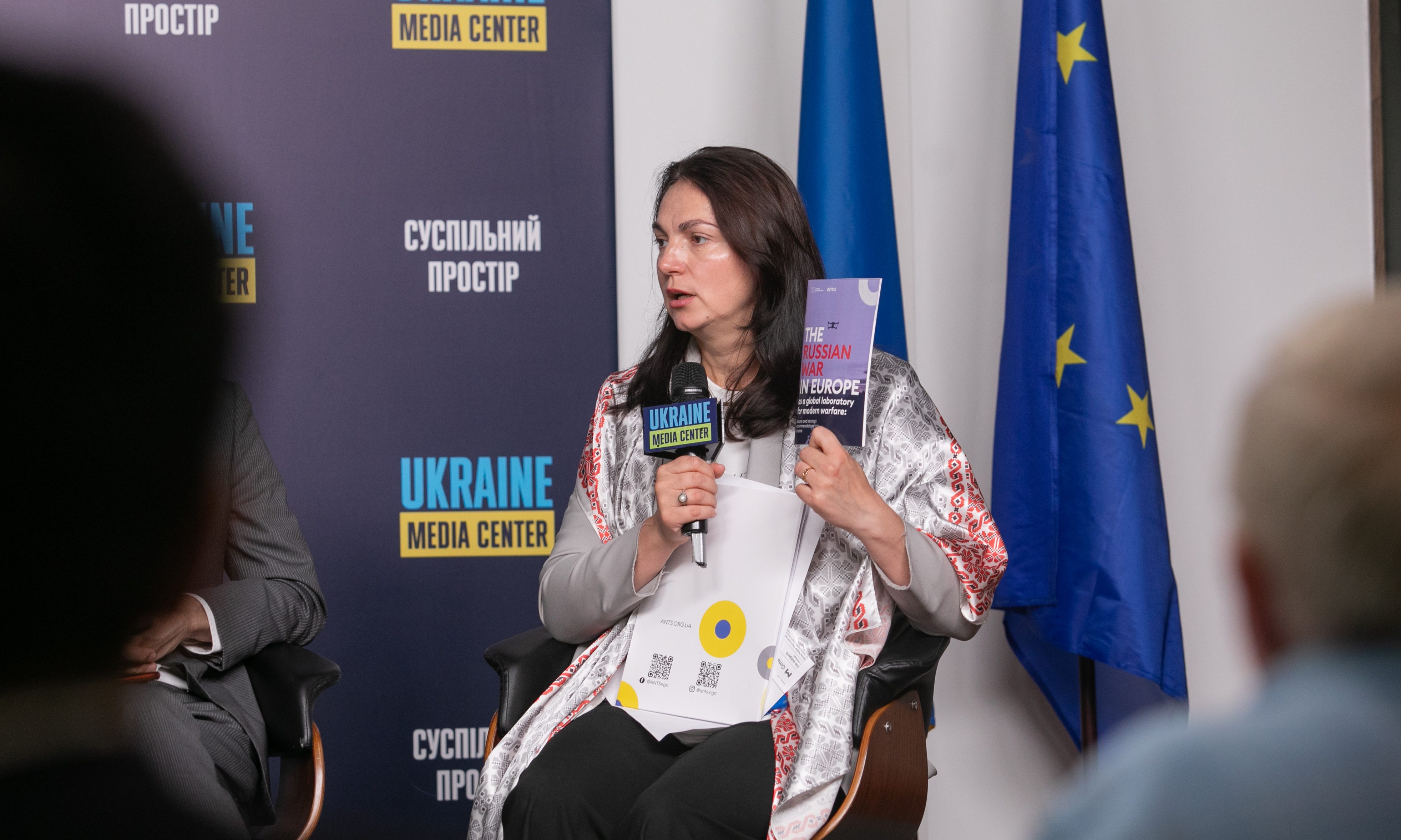
Summarizing the discussion, Hanna Hopko, Chairwoman at National Interests Advocacy Network (ANTS), drew attention to gaps in Ukraine’s communication with Asian partners in recent years: “We have not sufficiently convinced our partners of the interdependence between the European and Asian security theaters. Perceptions of the war shifted between 2022 and 2025. We kept saying that Ukraine can win. We need to change our approach to engagement. Support alone is not a path to victory. We have not explained what opportunities Ukraine’s victory would open up for Japan, South Korea, and Taiwan. Nor have we shown the connection between Russia’s defeat and minimizing the Chinese threat.” According to her, the approach taken by the Biden administration and now by the Trump administration, which assumed it was possible to “decouple” Russia from China, has proven to be mistaken.
Other participants also joined the discussion, contributing practical proposals and a broader vision of possible formats for Ukraine’s cooperation with its Asian partners.
Mykhailo Gonchar, President of the Center for Global Studies “Strategy XXI,” noted that after a missed opportunity to establish official cooperation structures with Taiwan, Ukraine should now move toward a non-governmental format of engagement and the creation of a permanent office for expert and civil society organizations: “In 2022, there was a unique window of opportunity, especially given the scale of Taiwan’s humanitarian assistance to Ukraine. At that time, one of two paths could have been taken: opening a trade and economic representative office in Taipei, or a representative office of the Ukrainian Institute. This would not have implied diplomatic recognition of Taiwan – we remain within the framework of the One China policy. Unfortunately, the political courage was lacking at the time. Now we should pursue a different path, establishing a liaison office for non-governmental organizations. We already have similar experience in Brussels, and this is the path through which sustainable relations can gradually be built.”
Andriy Ordynovych, Director for Strategic Support and Development at the Ukrainian Freedom Fund, called for a more proactive policy in the field of defense cooperation with Asian partners: “With South Korea, it would be possible to organize, in a triangular format with Poland, the modernization of our defense-security and defense-technical complex. As for Taiwan, there are also significant prospects here. Of the 90 billion [euros] in European funds, 30 billion is earmarked for the defense-technical complex, but on the condition that components come from European countries. Taiwanese companies are already present in certain European countries, so it is possible to build corresponding production chains. I would urge our government to take a more proactive stance, attracting high-tech solutions that would contribute to Ukraine’s recovery and economic development.”
A recording of the discussion is available on the New Europe Center’s YouTube channel and Facebook page.
Photo: Ukraine Media Center

The event was organized by the New Europe Center with support from the International Renaissance Foundation. The views and positions expressed during the event are those of the participants and do not necessarily reflect the position of the International Renaissance Foundation.